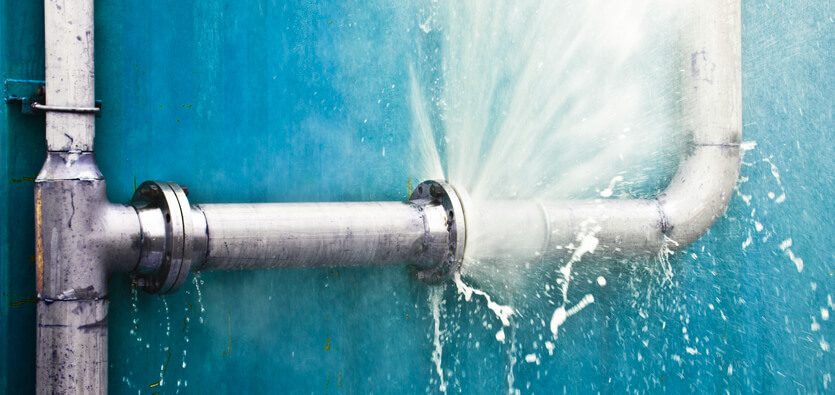
Household water pressure determines how strongly water pushes against supply pipes, fittings and fixture components. Suitable pressure supports reliable operation, while excessive pressure increases mechanical loading and insufficient pressure may leave showers and taps performing poorly. Sudden changes can create banging, and unstable pressure may affect appliances or valve behaviour. However, water flow also depends on restrictions, pipe dimensions and household demand. A weak shower or leaking faucet therefore does not automatically prove a pressure problem. The timing and distribution of symptoms help identify the likely cause.
What Household Water Pressure Actually Measures
Water pressure describes the force that water exerts per unit area inside a plumbing system. That force helps move water from a municipal connection or private well system towards outlets. However, the pressure available at a fixture depends on more than the incoming supply. Elevation, piping resistance and operating conditions influence what happens when someone opens a tap.
Static Pressure and Pressure During Flow
Static pressure describes conditions when fixtures remain closed and water stands still. Once a tap opens, flowing water encounters friction along pipes and additional resistance through elbows, valves, meters and fixture components. The resulting pressure loss means a gauge may show a satisfactory reading with every outlet closed while a distant shower struggles during use.
A professional may compare readings while fixtures operate individually and together. Such comparisons help separate weak incoming pressure from excessive losses within the house.
Why Pressure and Flow Are Different
Pressure supplies the driving force; flow rate describes the quantity of water reaching an outlet over time. A narrow pipe, obstructed aerator or partly closed valve can restrict flow despite adequate pressure upstream. Conversely, a large outlet may deliver substantial water at moderate pressure, depending on its design.
Consider a shower that begins with a strong burst but quickly delivers a weak stream. That pattern may reflect pressure changes or restricted capacity, not necessarily excessive steady pressure. Increasing supply pressure without identifying the restriction can leave the original problem unresolved.
How Excessive Pressure Affects Pipes and Connections
Higher internal pressure increases the forces acting on pipe walls, fittings and seals. Properly selected plumbing should tolerate its intended operating conditions, but persistently excessive pressure can place extra demands on vulnerable components. Material specifications, temperature, installation quality and existing wear all affect the outcome.
Pipe Walls, Materials and Fittings
Copper and PEX installations use different joining methods and products with specific pressure and temperature ratings. No single material automatically performs best in every setting. Pressure acts throughout the connected assembly, including elbows, adaptors, threaded fittings and flexible fixture connections. A deteriorating seal or poorly assembled joint may begin to leak under conditions that sound components withstand.
High pressure does not inevitably cause a pipe to burst. Corrosion, mechanical damage, unsuitable fittings and installation defects can also produce leaks at otherwise ordinary operating pressure.
Valves, Seals and Persistent Drips
Faucet cartridges, washers and toilet fill valves regulate water through relatively small passages. Excessive pressure can increase forces across these components, potentially encouraging noise, wear or leakage when parts already show defects. Nevertheless, a dripping tap may simply have a worn seal, even when the household supply remains appropriate.
Leakage cannot confirm excessive pressure. A plumber needs measurements and component inspection before choosing a repair.
What Happens When Pressure Is Too Low?
Insufficient available pressure may produce weak showers, slow toilet refilling and disappointing flow at upper-storey taps. Yet homeowners often describe any poor flow as low pressure, even if the actual restriction lies inside one fixture.
Incoming Supply Versus Household Restrictions
A municipal supply may have changing conditions, while a private well pump may lack the capacity or control behaviour needed for a particular demand. Inside the house, partially closed shut-off valves, sediment, clogged aerators and undersized branches can each create substantial pressure losses during flow.
Compare several outlets before blaming incoming pressure. A single weak faucet suggests a local problem; simultaneous weakness across the house makes a shared issue more plausible. Poor hot-water performance with normal cold-water flow also points towards a different investigation from uniformly weak supply.
Why Pressure Changes When Several Fixtures Run
Every additional open fixture increases demand on shared piping. As more water passes through a restrictive branch, pressure losses grow and other outlets may receive less flow. For instance, a shower can change strength when someone starts the washing machine or opens a kitchen tap. Small variations may reflect ordinary system behaviour; severe fluctuations deserve investigation.
A pressure-reducing valve that responds poorly or a private well pump that cycles irregularly can add further instability. Evaluating the pattern matters more than assuming every fluctuation signals a dangerous fault.
Water Hammer Is Different From Steady High Pressure
When a valve closes rapidly, moving water must slow abruptly. That change can send a transient pressure wave through the piping, producing a sharp bang or knock. Washing machines and dishwashers contain automatic inlet valves that sometimes trigger this effect. Continuous high static pressure and water hammer involve different mechanisms, even though both can stress components.
Repeated severe impacts may strain joints or supports over time. A properly selected water hammer arrestor can absorb certain pressure transients near an appropriate location, but it cannot correct every rattling pipe, faulty valve or permanently high supply pressure. A professional should identify the triggering event and assess pipe restraint before choosing a solution.
Pressure Regulation and Water Heater Expansion
Some municipal supply arrangements need a pressure-reducing valve to control downstream pressure. The device responds to changing flow and incoming conditions within its operating capabilities. If it malfunctions, occupants may notice erratic delivery, unusual noise or readings that differ from expected behaviour. However, replacing a regulator will not clear a blocked aerator or enlarge an inadequate branch.
Heating water causes it to expand. In a plumbing arrangement that prevents expanded water from moving back towards the supply, this extra volume can increase system pressure. Check valves or backflow prevention arrangements may create such a closed condition. Where appropriate, a properly designed expansion-control arrangement accommodates the change.
Do not adjust pressure controls, modify backflow devices or interfere with a water heater's temperature and pressure relief valve. A plumber can evaluate the system configuration and determine which protective equipment the installation requires.
How Pressure Affects Common Fixtures and Appliances
Different fixtures react to supply conditions in different ways. Their internal components, flow restrictions and operating requirements influence whether a symptom reflects system pressure or a local fault.
Faucets and Shower Valves
High pressure may increase discharge through an unrestricted faucet and intensify vibration in a defective cartridge. Low operating pressure can produce weak flow, although a blocked aerator may have the same result. A faucet that drips after closing usually requires attention to its sealing components rather than an assumption about system pressure.
Showers depend on sufficient pressure and flow through the supply and mixing valve. Pressure-balancing arrangements can respond to changes between hot and cold supplies, affecting delivery or temperature stability. Turning up supply pressure does not remove mineral deposits from a showerhead or correct a failing cartridge.
Toilets and Appliance Inlet Valves
A toilet fill valve controls tank refilling. Pressure conditions can influence how quickly it fills and how its components behave, but worn seals or restrictions can also cause noise, slow filling or continuous running. Listen for whether the symptom ends once the tank reaches its normal level.
Washing machines and dishwashers rely on inlet valves and operating conditions specified by their manufacturers. Inadequate delivery may affect filling, while excessive pressure can stress susceptible connections or valves.
Outdoor Taps and Hose Connections
A damaged hose coupling can leak despite suitable household pressure, while certain accessories need their own pressure controls. Inspect accessible connections for visible deterioration and use equipment suited to its intended supply conditions.
Municipal Connections and Private Well Systems
Municipal systems deliver water under conditions that may vary with location, elevation and local demand. Houses may use pressure-reducing equipment where incoming conditions require it. Upstairs fixtures can also receive less static pressure than lower fixtures because of elevation.
Private wells typically rely on pumps, pressure switches and tanks. Pressure changes during normal pump cycles may be expected, whereas unusually rapid cycling or loss of delivery suggests a fault. Do not alter pump electrical controls or tank settings without suitable expertise. Record when changes occur so a qualified professional can inspect the appropriate equipment.
Does Higher Pressure Increase Water Consumption?
At some unrestricted outlets, greater available pressure can increase discharge. Someone leaving such a tap open for a fixed period may therefore use more water. Flow-regulating or pressure-compensating fixtures behave differently and can limit the increase. Activities that use a fixed volume, such as filling a container, also differ from time-based water use.
Consequently, high pressure does not automatically explain an unusually large water bill. Running toilets, leaks, changing household habits and outdoor use deserve consideration before attributing consumption to pressure.
Safe Observations and Warning Signs
Homeowners can gather valuable information without opening pipes or adjusting pressure equipment. Compare the timing, location and severity of symptoms, then record changes that a plumber can investigate.
- Several weak outlets: Compare hot and cold flow, and note whether simultaneous use makes the problem worse.
- Banging after closure: Record which tap or appliance triggers the impact, rather than assuming the pipes need replacement.
- Unexpected leaks: Look for moisture around accessible fittings, cabinets and utility areas without disturbing damaged connections.
- Changing toilet behaviour: Note repeated refilling, persistent running or unusual noise during tank filling.
- Sudden pressure changes: Identify whether the symptoms began after renovations, supply work or changes in well-pump operation.
Seek prompt attention for recurring leaks, forceful banging, severe flow changes or apparent water heater pressure-control problems. If water escapes rapidly, shut off the main supply only when you can reach it safely. Avoid wet electrical equipment and arrange urgent assistance when necessary.
Professional Pressure Testing and Suitable Repairs
A qualified plumber may measure static pressure and pressure during fixture operation, compare readings at different times and inspect relevant supply equipment. Gauge location, elevation and simultaneous demand affect interpretation. A residential plumbing service can then examine pressure-reducing valves, restrictions, water hammer symptoms, heater expansion arrangements and ageing connections before recommending work.
Depending on findings, repairs may involve correcting a restrictive valve, replacing damaged fixture parts, addressing leakage, servicing appropriate pressure controls or improving pipe support. For private wells, a specialist may also assess pump and tank behaviour. Suitable solutions depend on the confirmed mechanism rather than one isolated reading.
Maintaining Suitable Pressure Over Time
Observe changes in delivery when fixtures operate and arrange attention to recurring leaks or valve problems. Before adding bathrooms or high-demand appliances, have the existing supply capacity assessed rather than assuming higher pressure will meet the extra demand.
Local plumbing requirements may differ across Canadian jurisdictions. Follow applicable rules for modifications, permits and qualified work, and keep any equipment-specific maintenance instructions available for professional review.
Frequently Asked Questions
What water pressure should a Canadian home have?
Suitable pressure depends on local requirements, fixture specifications, equipment ratings and the building's arrangement. There is no single measurement that establishes proper performance for every Canadian home. A plumber can assess static and operating readings against applicable requirements and inspect whether supply pressure changes significantly during normal household use.
Can high pressure damage household water pipes?
Excessive pressure increases loading on pipe walls, fittings and connections. Defective joints or deteriorating seals may become more vulnerable, although properly selected components should tolerate their intended conditions. High pressure does not guarantee failure. Measurements, material ratings and the condition of the affected assembly help determine whether corrective action is necessary.
Why does my shower have weak pressure?
Weak shower flow may reflect inadequate supply pressure, pressure losses in narrow piping or a restriction inside the showerhead or valve. Compare nearby fixtures and note whether the shower worsens during simultaneous use. Cleaning or repairing a local component may solve the issue without changing household pressure controls.
Can high pressure cause faucets to leak?
Excessive pressure can increase stress across faucet seals and cartridges, potentially contributing to leakage when components deteriorate. However, ordinary wear or debris may cause dripping at suitable supply pressure. A plumber should evaluate the affected faucet and overall conditions before assuming that adjusting the supply will stop the leak.
Why does flow weaken when several taps run?
Several open fixtures draw more water through shared piping. Friction and restrictions then consume more available pressure, reducing delivery to individual outlets. Limited incoming supply capacity can intensify the effect. Note which combinations trigger weakness, since that pattern helps separate a shared pipe restriction from one faulty fixture.
Can pressure changes make pipes bang?
Yes. Rapid valve closure can create a transient pressure surge called water hammer, which may cause a sharp knock. Continuous vibration during flow has other possible causes. Record whether the sound follows appliance operation or tap closure. Appropriate arrestors sometimes help, but they do not fix every plumbing noise.
Does pressure affect washing machines and dishwashers?
Both appliances rely on inlet valves and adequate supply conditions to fill as intended. Low flow can affect filling, while excessive pressure may stress vulnerable valves or flexible connections. Manufacturer specifications vary. If one appliance behaves unusually, inspect its symptoms and supply arrangement before blaming pressure throughout the entire house.
What causes household water pressure to fluctuate?
Changing water demand, incoming supply variations, faulty regulating equipment and private well pump cycling can alter pressure. Some fluctuations occur during normal use. Severe or irregular changes, particularly alongside pump short cycling or leaks, deserve assessment. Recording when the changes occur can help identify the equipment or operating conditions involved.
How can I identify a water pressure problem safely?
Compare several fixtures, check hot and cold delivery, and observe changes during simultaneous use. Listen for banging and look for accessible leaks without disturbing fittings. These observations help describe the concern but cannot establish actual pressure values. Avoid dismantling regulators or heater safety equipment; request testing if symptoms persist.
When should I contact a plumber about pressure?
Arrange assessment for recurring leaks, persistent banging, severe flow changes or unstable delivery across several fixtures. Unusual well-pump behaviour and concerns involving water heater pressure equipment also justify attention. If a major leak develops, close the main shut-off if safe and seek urgent assistance rather than experimenting with controls.
Conclusion
Household water pressure affects mechanical loading on pipes, valve operation, fixture flow and appliance performance. Excessive pressure can stress vulnerable components, while low operating pressure or restrictive piping may weaken delivery. Sudden surges produce different concerns from steady pressure, and one symptom may have several causes. Compare affected fixtures and operating conditions, watch for leaks or severe changes, and seek appropriate testing before altering pressure equipment. Accurate diagnosis directs repairs towards the real source of the problem.
← Back to Blog


