Published: July 15, 2026 • By Canadian Rooter
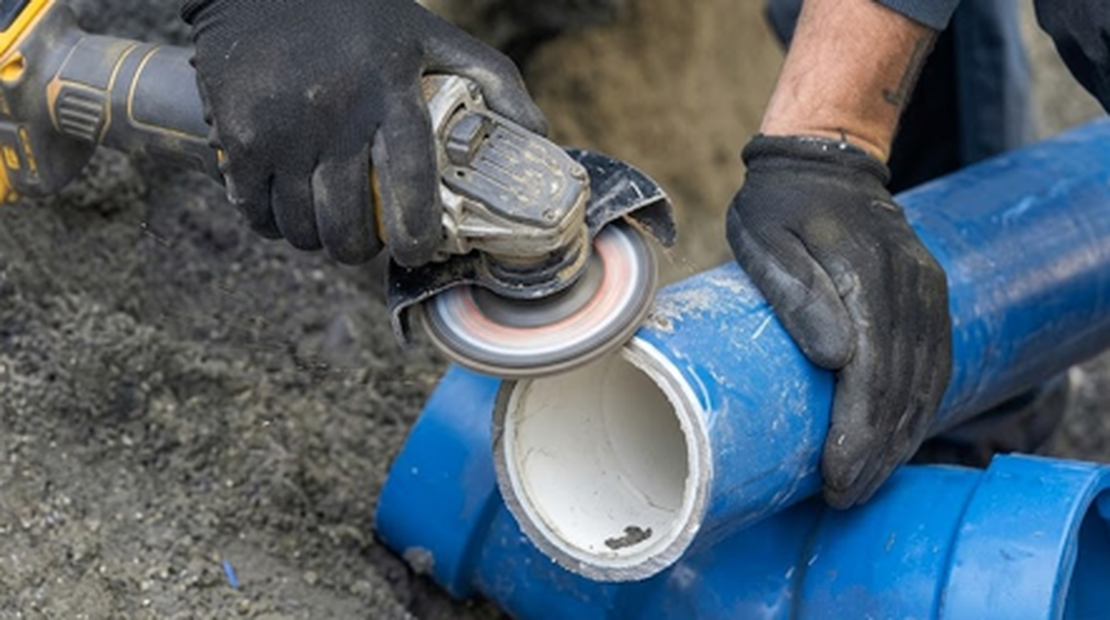
If you live in one of Toronto's older neighbourhoods, a gurgling drain or a slow-emptying sink comes with an extra worry: are your pipes even old enough to survive a repair?
Drain snaking is one of the fastest ways to clear a clog, but if your house still runs on cast iron or clay pipework, you deserve a straight answer first. Here it is: drain snaking in Toronto is safe for most cast iron and clay pipes when performed carefully by experienced plumbers and backed by a proper inspection.
This post covers what drain snaking actually does inside your pipes, where older plumbing needs extra caution, and how Canadian Rooter handles the job.
What Drain Snaking Actually Does to Your Pipes
Drain snaking uses a flexible metal cable, called an auger, that's fed directly into the pipe until it reaches the blockage. It doesn't use chemicals or force water through the line. Instead, it works mechanically, which is part of why it's a common first step for clogged drains in homes of any age.
How the Cable and Corkscrew Tip Work
The end of the cable carries a corkscrew-style tip. As a technician rotates the cable, the tip either breaks the clog apart or hooks onto it so it can be pulled back out. For hair, soap scum, grease, and minor buildup, this is usually enough to restore full flow without touching the pipe wall itself.
Why Older Toronto Homes Raise Extra Questions
Toronto has one of the oldest housing stocks in the GTA, and many homes still rely on plumbing installed long before PVC became the standard. That's why homeowners often ask whether drain snaking in Toronto is safe, especially compared to those living in newer suburbs with more modern pipe systems.
Cast Iron Pipes: What Changes With Age
Cast iron holds up well structurally, but decades of use cause internal corrosion. The pipe walls can develop rough, flaky buildup that narrows the interior and makes clogs more frequent. A cable moving through a corroded section needs a lighter touch than one moving through a smooth, newer pipe.
Clay Pipes: The Tree Root Problem
Roots can grow into these joints over the years, gradually choking the line. Snaking can cut through the roots, but an experienced technician needs to know how much pressure the joint can take before it's stressed further.
Is Drain Snaking Toronto Homeowners Choose Actually Safe for These Pipe Types?
For most cast iron and clay pipes still in reasonably sound condition, yes. The risk isn't the method itself; it's using the wrong cable, the wrong tip, or too much force without knowing what's on the other end.
When Snaking Is the Right Call
Snaking works well for localized clogs: hair in a bathroom drain, food debris in a kitchen line, or a toilet blockage. It's a quick, low-impact way to restore flow without disturbing the rest of the system.
When Snaking Alone Isn't Enough
If a pipe has years of grease film coating its walls, or a root mass has packed in tightly, snaking alone may only punch a hole through the problem rather than clearing it completely. That's often the point where a heavier method gets discussed alongside snaking, not instead of an inspection.
Signs Your Pipe Might Be Too Fragile for Aggressive Snaking
- Frequent leaks or dampness near exposed pipe sections
- Visible flaking, rust-coloured water, or a history of pipe repairs
- Recurring clogs in the exact same spot despite previous cleanings
How Canadian Rooter Handles Drain Snaking in Toronto
Canadian Rooter treats older pipework as a factor that changes the approach, not a reason to avoid the job. The process starts with information, not guesswork.
The Canadian Rooter Process: Step by Step
Step 1: Initial Assessment
A technician checks for the usual warning signs: slow-draining sinks, bad odours, or a gurgling toilet, and asks about the age of the home and any past plumbing work.
Step 2: Camera Inspection Before Any Tool Touches the Pipe
A waterproof camera goes into the line first. This shows exactly where the clog sits and what condition the pipe is in, whether that's cast iron, clay, or something already replaced.
Step 3: The Snaking Process
Once the pipe's condition is confirmed, the technician uses a flexible auger sized correctly for that line to break down and remove the obstruction.
Step 4: Hydro Jetting When Needed
If the camera shows heavy buildup that snaking alone won't fully clear, and the pipe can handle it, high-pressure water jets are used to flush out debris and restore proper flow.
What "Fully Clear" Actually Means
It means water moves through the line at full speed with no gurgling, no backup, and no residue left coating the walls, not just a temporary opening in the clog.
Step 5: Final Testing
Water is run through the system to confirm the blockage is gone, and there's no hidden issue left behind.
Cast Iron vs. Clay Pipes: What to Expect
| Pipe Type |
Common Age in Toronto Homes |
Main Risk Factor |
Snaking Approach |
| Cast Iron |
Pre-1960s to 1970s |
Internal corrosion, rough scaling |
Lighter cable pressure, camera-guided |
| Clay |
Pre-1960s |
Root intrusion at joints |
Root-cutting attachment, joint-aware technique |
| PVC (for comparison) |
1980s onward |
Rarely a concern |
Standard snaking, few restrictions |
Frequently Asked Questions
Is drain snaking likely to crack an old pipe?
It's unlikely that a camera inspection happens first, and the technician adjusts cable pressure to the pipe's condition. Damage typically happens when snaking is done blindly.
How do I know if my home has cast iron or clay pipes?
Homes built before the 1960s in central Toronto commonly have one or the other. A camera inspection is the most reliable way to confirm it.
Can tree roots come back after snaking clears them?
Yes, roots can regrow into the same joint over time. Regular maintenance, snaking, or hydro jetting for heavier root intrusion, keeps the line clear longer.
Does Canadian Rooter offer emergency drain snaking in Toronto?
Yes, Canadian Rooter provides 24/7 availability across the GTA for clogs that can't wait, along with scheduled service for non-urgent blockages.
Is hydro jetting always used alongside snaking?
No. It's only brought in when a camera inspection shows buildup that a cable alone won't clear, and only when the pipe condition supports it.
Final Thoughts
Older cast iron and clay pipes don't rule out a fast fix. They just call for a technician who checks before they act. Canadian Rooter builds every job around that order: assess, inspect, then clear, so drain snaking Toronto homes with older plumbing can rely on stays a safe, effective option rather than a gamble.
If your drains are slow, gurgling, or backing up, request a callback from Canadian Rooter and get a camera-verified diagnosis before any work begins.
← Back to Blog


