Published: Sep 25, 2026 • By Canadian Rooter
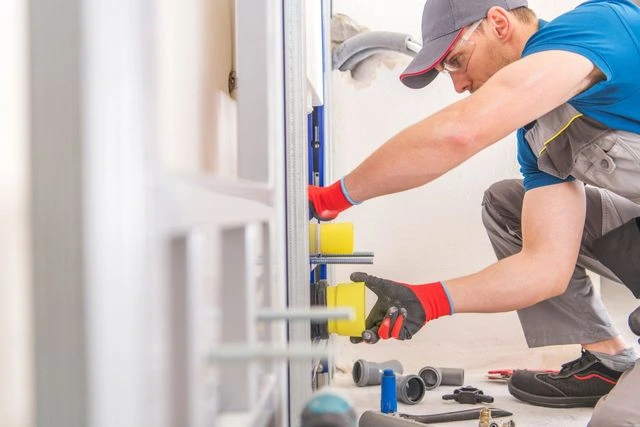
A damp mark beneath a sink or a toilet that refills between flushes can appear before a larger problem becomes obvious. Preventive plumbing maintenance means checking accessible parts of a home's water and drainage systems, noticing changes, and arranging suitable care before a fault causes disruption. For Toronto homeowners, a useful routine also accounts for freezing weather and the equipment their particular property contains. Regular checks improve the chance of catching trouble; they cannot prevent every failure.
Start With an Accurate View of Maintenance
A practical routine focuses on what you can see, hear and compare during ordinary use. Then decide whether an accessible cleaning task will help or whether the symptom needs professional assessment.
Routine Checks Versus Repair Work
Wiping away moisture and watching for its return counts as a check. Removing hair from a reachable drain strainer counts as basic upkeep. Opening a pressurised connection, replacing an unfamiliar valve or cutting into a wall to locate a leak involves repair or investigation instead.
For example, a weak tap may have debris in its outlet screen, a partly closed nearby valve or a restriction elsewhere. Likewise, a stain may reflect a plumbing leak, condensation or water entering from another part of the building. Document what changes rather than treating an early clue as a diagnosis.
Why Early Detection Helps
A small drip inside a cabinet can wet wood and flooring if nobody notices it. A toilet that runs between flushes can consume water without leaving a puddle. Meanwhile, a drain that repeatedly slows may eventually interrupt use or point to a deeper problem.
Maintenance has limits. Ageing components can fail suddenly, and concealed pipes may develop faults without visible warning. Use regular observation to make timely decisions, not as a promise that the home will never need unexpected repairs.
Check Fixtures You Use Every Day
Compare how they normally sound, drain and deliver water, and keep checks limited to areas you can reach without disturbing plumbing connections.
Taps, Toilets and Visible Connections
After closing a tap, look for a continuing drip from its spout. Check around its base and beneath the sink for fresh moisture, stains or a softened cabinet floor. Then inspect accessible pipes and supply hoses visually; do not pull on a hose or force a stiff valve.
Listen for a toilet that refills when nobody has flushed it. You can lift the tank lid carefully to see whether water reaches the overflow tube or whether the flapper rests flat. Also look for moisture near the toilet base. Ask a plumber to assess persistent refilling, leaks around the base or a toilet that moves under normal use.
Drains and Changes in Flow
Lift reachable hair and debris from sink and shower strainers while wearing gloves. Keep grease, wipes, food scraps and other solids out of drains. One slow sink may have a local blockage, while several fixtures draining poorly can suggest a shared restriction. If a drain slows again after you remove visible debris, record the pattern and arrange an assessment.
Compare cold and hot flow at more than one tap when pressure changes. A weak stream at one fixture may involve its outlet screen; a sudden change throughout the home may involve the supply, a valve or a leak. Neighbours may also notice a broader water service interruption. Avoid adjusting pressure controls or dismantling pressurised fittings to test a guess.
Watch Equipment and Appliance Water Lines
Homes vary in their equipment and layouts. Identify what your property actually uses, keep its instructions accessible and note any change from its usual operation. Do not assume that a neighbour's maintenance procedure suits your equipment.
Water Heaters and Connected Appliances
Look around the water heater for new moisture, rust marks, damp fittings or a change in hot water delivery. A puddle does not prove that the tank leaks; nearby piping or condensation may also wet the floor. However, active leaking or repeated loss of hot water warrants prompt assessment. Do not remove covers, alter safety devices, plug a discharge pipe or work on gas and electrical connections.
Check accessible water connections for a washing machine, dishwasher, refrigerator with a dispenser or other connected appliance. Watch for damp hoses, stains and pooling water beneath nearby cabinetry. Follow the manufacturer's instructions for any homeowner maintenance task.
If you smell gas near a heater, leave the area, avoid switches and flames, and contact the gas utility's emergency service from a safe location. If water reaches electrical equipment, stay clear rather than entering the wet area to operate a switch.
Sump Pumps, Backwater Valves and Filters
Some Toronto homes use a sump pump to remove collected groundwater near the foundation. If yours does, notice whether it starts when water rises, stops after pumping and leaves water where it should not. Check the visible discharge outlet from a safe location. Keep hands out of the pit and avoid handling electrical plugs while standing in water.
A backwater valve helps resist sewage flowing toward the building when drainage reverses. Keep any known access point clear and follow the equipment instructions; ask a plumber if you cannot identify the device or see repeated drainage trouble. Do not open unfamiliar drainage equipment while sewage backs up.
If your home has filtration equipment, note unusual leaks, flow changes or changes in the unit's operation. Use its instructions to identify replaceable components and safe procedures.
Include Shutoffs and Warning Signs in Your Routine
A shutoff valve can limit the water reaching a leak, but only if you know where it sits and can operate it safely. Locate accessible fixture valves and the main water shutoff before an urgent problem occurs.
What to Observe Without Forcing a Valve
Check for moisture or corrosion around accessible valves, and keep stored belongings from blocking them. Do not force a seized handle or assume an unlabeled valve isolates only one fixture. A plumber can assess a leaking or unreliable valve before an emergency makes it necessary.
Note changes that deserve follow-up:
- A damp patch reappears after you dry it.
- A tap continues dripping or a toilet keeps refilling.
- A drain slows repeatedly or another fixture gurgles during use.
- Water pressure changes at several taps without a clear reason.
- A heater or appliance develops moisture around its connections.
- A pump behaves differently, or water collects near its pit.
Record the affected fixture, when you noticed the sign and whether other parts of the home changed.
When to Request Prompt Help
Call a plumber for a persistent supply leak, recurring blockage, unexplained moisture or a significant pressure change that you cannot trace through safe checks. If sewage rises from a floor drain or several fixtures back up together, stop using toilets, taps and appliances that send water into the drainage system. Keep people away from wastewater and request urgent assessment.
For a suspected burst pipe, close the main shutoff if you can reach it without entering an unsafe area. If a leak approaches wiring or electrical equipment, stay clear and seek appropriate emergency help. Homeowners searching for professional residential plumbing services Toronto should describe the affected fixtures, rate of leaking and any valves they have closed. A plumber can then plan an initial response without relying on an unconfirmed diagnosis.
Adapt Checks to Toronto's Seasons
Toronto's freezing weather can affect pipes near exterior walls, in unheated areas or along exposed routes. Each home's pipe layout and heating arrangement determine which areas need attention. Outdoor taps and attached hoses also deserve a check before temperatures fall.
Prepare Before Freezing Conditions
Disconnect hoses from outdoor taps and identify whether your specific fixture requires an indoor shutoff and draining. A fixture described as frost-resistant still needs appropriate use; its name does not guarantee protection from damage. Follow its instructions or ask a plumber if you cannot identify the arrangement.
Keep areas containing vulnerable pipes adequately heated and look for obvious gaps that expose plumbing to cold air. Avoid making alterations to concealed pipework without checking the home's design. If a room stays much colder than nearby spaces, identify whether it contains a water line before assuming the heating pattern poses no risk.
Also consider the property during an extended absence. Check for active leaks before leaving and maintain suitable heating where pipes could freeze. Some homeowners may isolate their water supply, but a connected heating system or other equipment can complicate that choice. Ask a qualified person if you do not know what the main shutoff serves.
Check After a Freeze or Thaw
If one tap stops flowing during a cold spell, compare other fixtures and look for frost or visible damage along accessible pipes. Warm the surrounding room gradually. Never use an open flame, boiling water or an unattended heater on a pipe. Call a plumber if you cannot find the affected section safely or suspect a split.
When flow returns, watch for fresh moisture in accessible areas. A frozen line can leak as ice thaws, although loss of flow alone does not prove a burst. If you see water spraying or spreading, close the main supply when safe and arrange urgent help. Stay away from water near electrical equipment.
Create a Routine That Fits the Property
A useful routine should survive ordinary busy weeks. Instead of adopting a universal inspection interval, link quick visual checks to regular household tasks and review the equipment your home actually contains.
Choose Checks and Timing Deliberately
Start with an inventory of accessible sinks, toilets, appliances, valves, the water heater and any pump, filtration unit or backwater valve. Then note pipes near unheated spaces and outdoor connections. An older component or a history of faults may call for closer attention, while equipment instructions may specify tasks that vary by model.
Group simple checks so you can repeat them:
- Look beneath sinks and around toilets for new moisture.
- Notice whether drains clear normally and toilets stop refilling.
- Compare water flow if a fixture behaves differently.
- Look around the heater and connected appliances for leaks.
- Check relevant outdoor or basement equipment as conditions change.
Avoid turning this list into a repair procedure. If a check reveals a fault, decide whether you can safely remove reachable debris, isolate an accessible leak or need a plumber to investigate.
Keep Useful Notes and Arrange Inspections
Record dates, affected fixtures, visible symptoms and completed work. A photograph can show whether a stain grows, while notes can show that a drain slows only when another fixture runs. Tell the plumber about previous repairs and what changed afterward.
Consider professional assessment when a problem recurs, a concealed leak seems possible, equipment behaves unusually or several fixtures change together. An inspection may also help when you do not know the condition or layout of an older system. Ask what the proposed visit will cover and what access the plumber needs. No single inspection schedule fits every Toronto home.
Frequently Asked Questions
What counts as preventive plumbing maintenance?
It includes observing accessible pipes and fixtures, clearing reachable drain debris, checking for moisture and noticing changes in flow or equipment operation. It also includes arranging assessment when signs persist. Repairing a broken pipe or diagnosing a hidden leak goes beyond a routine homeowner check and may need a plumber.
How often should I check beneath sinks?
Choose a repeatable interval that suits your household, and check sooner after a repair or if you notice an odour or stain. Look at accessible connections and cabinet surfaces without disturbing pipes. If moisture returns after you dry it, note where it appears and request an assessment.
Can I test a toilet for a hidden leak?
Watch whether the tank refills when nobody flushes, and check if water enters the overflow tube. You can also follow suitable instructions for a tank dye check. Do not assume the result identifies the defective part. If refilling continues or water reaches the floor, arrange repair.
When does a slow drain need a plumber?
Remove debris you can reach safely from a strainer or stopper. If the drain slows again, several fixtures gurgle or wastewater backs up, call a plumber. Recurrence may indicate a deeper restriction, although only an inspection can locate it. Stop using affected drains if sewage appears.
Should I operate my main shutoff regularly?
First, identify its location and what it serves. The safest way to check its operation depends on the valve's condition and your home's setup. Never force a stiff or corroded handle. Ask a plumber to assess a leaking or unreliable shutoff before you depend on it during an emergency.
Does low water pressure always mean a leak?
No. Debris at one tap, a valve issue, supply changes or a leak can affect flow. Compare several fixtures and note whether hot and cold water behave alike. Look for visible moisture, and ask neighbours about a sudden shared change. Request professional assessment if the cause remains unclear.
Do I need to maintain a backwater valve?
Only if your property has one. Locate its access point and follow the device instructions for any owner checks. Do not open unfamiliar drainage equipment during a backup. If you cannot identify the device, notice repeated trouble or suspect damage, ask a plumber to assess it.
What should I check on a water heater?
Observe accessible connections, the surrounding floor and changes in hot water supply. Water nearby may come from several sources, so avoid assuming the tank has failed. Do not remove covers or alter safety components. Arrange assessment for leaks or recurring performance problems, and leave immediately if you smell gas.
Can maintenance prevent frozen pipes?
Precautions can reduce exposure to freezing conditions, but they cannot guarantee that pipes remain intact. Disconnect outdoor hoses, check the instructions for your taps and maintain suitable heat near vulnerable lines. Because layouts differ, ask a plumber about sections you cannot identify. Watch for leaks when water resumes after a freeze.
When should I request a plumbing inspection?
Consider one when leaks recur, moisture appears without a clear source, drains repeatedly slow or pressure changes across several fixtures. Unfamiliar equipment or an older system may also justify assessment. Describe the symptoms and previous work when booking. The right timing depends on the property, not a universal calendar.
Conclusion
Preventive plumbing maintenance works best as a modest, repeatable habit: check what you can reach, note changes and act when a symptom persists. Match seasonal precautions and equipment checks to your home's layout rather than following a fixed list blindly. Leave concealed faults, pressurised connections and hazardous conditions to qualified help. Even careful maintenance cannot stop every failure, but it can help you recognise when your system needs attention.
More posts: Back to Blog


