Published: Sep 25, 2026 • By Canadian Rooter
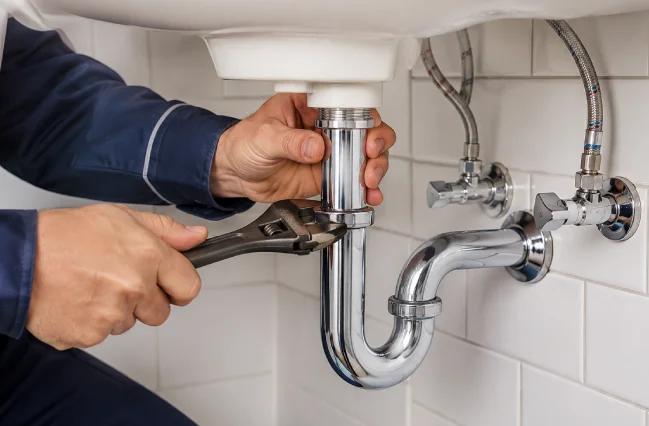
A kitchen sink in a house and one in a busy café both need water and drainage, but their patterns of use differ sharply. Residential plumbing usually serves a household with predictable fixtures and periods of lighter demand. Commercial plumbing may serve many users, specialised equipment and operations that cannot easily pause. Building design matters more than the label: a large multi-unit residential property can have shared systems that resemble those in commercial buildings, while a small shop may have simple plumbing. Compare the actual fixtures, usage and access before deciding how to maintain or repair either system.
The Basic Difference Lies in Use and Design
Both settings carry clean water to fixtures and move wastewater away. However, the number of people using those fixtures, the equipment connected to them and the way workers can access the pipes change the practical demands.
Household Use Versus Business Activity
A single dwelling typically supports bathing, cooking, laundry and toilet use by a limited group. Demand rises at familiar times, but occupants can often stop using one bathroom while a plumber works. A commercial premises may combine public washrooms, staff facilities, food preparation and equipment that needs water during operating hours.
Some businesses use little water; others depend on it throughout their workday. Likewise, a large house with several bathrooms may place more simultaneous demand on its supply than a small office.
Why Design Changes the Work
A home's fixtures may connect through relatively direct pipe runs, although renovations and additions can complicate them. Larger premises may distribute water across several floors or zones, with more branches, isolation valves and equipment. A plumber then needs to identify which section serves the affected fixture before interrupting other areas.
Access also varies. A homeowner may open a cabinet beneath a sink immediately; a business may need permission to enter a locked plant room or schedule work around customers. Therefore, the actual layout, not a residential or commercial label, determines how much investigation a repair requires.
Compare Demand, Fixtures and Drainage
Fixtures can look familiar in both settings, yet their volume and use change what a fault affects.
Water Supply and Fixture Volume
Homes commonly have kitchen and bathroom taps, toilets, showers, laundry connections and perhaps outdoor taps. A business may add multiple washrooms, cleaning stations, food service equipment or specialised fixtures. Higher simultaneous use can affect how designers arrange supply lines, valves and water heating, but a particular building may use a simpler arrangement.
If one household tap loses pressure, its outlet screen or nearby valve may need attention. If taps across a business floor weaken while other floors work normally, the affected zone offers a different clue. Conversely, a sudden whole-building pressure change in either property could involve its incoming supply or a wider water service issue.
Drainage Load and Repeated Use
A slow bathroom basin in a house may collect hair, soap residue or debris near its stopper. In a busy premises, recurring slow drainage across several fixtures could involve a shared branch, heavy use or an issue farther along the line.
Restaurants may also need grease management because kitchen wastewater carries fats and food residue. A premises without food preparation may not have that equipment. Avoid treating a grease interceptor, which separates some grease from wastewater, as a universal commercial fixture. If sewage rises from a floor drain or several fixtures back up, stop using the affected drains and seek urgent assessment regardless of the building's purpose.
Equipment Depends on What the Building Does
Commercial systems can involve more equipment, but equipment choices follow the building's design and activities. Some homes also contain pumps, backflow devices or more than one heater.
Heating Water and Moving It Around
A household may rely on one water heater, while a hotel, gym or larger property may use multiple heaters or a system that serves separate areas. Greater hot water demand can increase the effect of a failure: one faulty unit might leave a household without hot water, while another building may retain service in some zones.
Some properties use pumps to move water or manage drainage where gravity or supply conditions require them. A homeowner may instead encounter a sump pump that removes collected groundwater near the foundation. Note which equipment runs, where water collects and what changes before asking a qualified person to investigate.
Backflow Devices and Specialised Fixtures
Backflow means water moves opposite its intended direction and could affect a clean water supply. Some properties have devices that help prevent that movement; their presence and maintenance needs depend on the system. Avoid operating an unfamiliar device or assuming that every business or home has one.
A restaurant kitchen, dental practice, salon or workshop may have fixtures or processes unlike a household bathroom. Those differences can influence drainage, water quality needs or repair access. Describe connected machines and any process that cannot pause when you request plumbing help.
Maintenance Follows Occupancy and Operating Hours
The frequency and timing of checks should reflect how heavily people use the system and what an interruption would affect, without applying one schedule to every property.
What a Homeowner Can Notice
Household members often recognise small changes because they use the same fixtures repeatedly. A toilet that refills between flushes, moisture under a sink, an unusual water heater sound or a recurring slow drain can prompt an early call. Check accessible areas without opening pressurised fittings or working on gas and electrical connections.
Keep a simple record of the date, affected fixture, visible symptoms and previous repairs. If a leak threatens electrical equipment, stay clear of the wet area and request appropriate help. Shut off water only when you can reach and operate the correct valve safely.
What a Business Needs to Coordinate
In a workplace, staff may report faults to a manager rather than calling a plumber directly. A clear reporting route helps prevent a persistent drip or weak flush from disappearing into a shift change. Someone should know which fixtures need attention, which areas can close temporarily and who can provide access to service rooms.
Businesses may need to arrange repairs before opening, during quieter periods or while part of a site remains in use. However, a sewer backup or uncontrolled leak calls for urgent action regardless of trading hours. Multi-tenant premises may also need building management to coordinate shutoffs that serve more than one unit.
The Same Fault Can Have Different Consequences
A leak or blockage does not become more serious simply because it occurs at a business. Its location, speed, affected materials and number of dependent users determine the consequences.
Leaks and Service Interruptions
A leaking supply connection beneath a home sink can damage a cabinet and flooring before the homeowner notices it. In a shop, a similar leak might affect stock, customer access or a neighbouring unit. Conversely, a small business with one accessible sink may isolate that fixture easily, while a home with one bathroom may struggle through even a brief shutdown.
Water shutoffs can have different reach. One valve may isolate a household fixture; another may interrupt several units or a whole floor. For active water near electrical equipment, avoid the area and seek qualified assistance rather than entering water to reach a switch.
Blockages and Downtime
A blocked household toilet may leave another bathroom available, or it may remove the home's only toilet. Likewise, a business blockage may affect one staff washroom or stop essential kitchen work. There is no reliable rule that commercial repairs always cost more: access, materials, equipment and the scope of damage matter.
If several fixtures gurgle, drain slowly or back up together, stop using water and request a plumber's assessment. A shared drain might need investigation, while a sudden problem across neighbouring Toronto properties could also warrant contact with the municipality. Symptoms suggest where to look; they do not establish whether the issue sits within a private line or public infrastructure.
Shared and Mixed-Use Buildings Need a Closer Look
A two-category comparison becomes less useful when several households or businesses share pipes. Toronto includes multi-unit residential and mixed-use properties, but individual buildings differ in layout, ownership arrangements and equipment.
Private Fixtures and Shared Infrastructure
An apartment or condominium unit may contain its own taps and toilet while sharing supply risers or drainage stacks with other units. A riser carries water between floors; a stack receives drainage from connected fixtures. If a problem appears only at one sink, start with that fixture. If several units report pressure changes or backups, building management should help coordinate investigation of shared infrastructure.
Do not assume that the person who first notices water controls every affected pipe. Report the location, timing and fixtures involved to the appropriate manager, particularly when water crosses unit boundaries.
Homes Above Shops and Other Mixed Uses
A ground-floor café beneath apartments may have separate fixtures but share parts of a building's supply or drainage system. Food preparation equipment, residential bathrooms and common areas can create distinct maintenance needs in one address.
When a fault affects both uses, list each affected area and the times symptoms appear. A kitchen drain problem may remain local, while wastewater rising elsewhere could point to a shared connection. The plumber needs a map of symptoms, and building management may need to arrange access or notify occupants before workers isolate water.
Choose Help That Fits the Actual System
A plumber who regularly repairs household fixtures may handle a straightforward sink leak in a small shop, while a complicated shared supply or specialised device may require relevant equipment experience. Match the person and proposed work to the fault instead of relying only on the property label.
Describe the Property and Problem Clearly
When requesting help, provide details that narrow the initial investigation:
- State whether the site is a single dwelling, multi-unit building, business or mixed-use property.
- Identify every affected fixture, floor and unit that you know about.
- Explain whether the issue occurs continuously, during heavy use or after another fixture runs.
- Mention pumps, multiple heaters, backflow devices or specialised equipment if you know they exist.
- Describe active leaks, sewage, loss of water and any electrical hazard immediately.
- Say who can provide access and whether a shutoff may affect other occupants.
If you search for professional residential plumbing services Toronto, explain when the fault involves shared infrastructure or a business operation; the provider can then confirm whether the work fits its capabilities.
Ask About Relevant Work and Access
Ask whether the plumber handles the type of system involved, can assess the suspected equipment and has suitable tools for the proposed investigation. For shared buildings, confirm how the plumber will coordinate with management and communicate any interruption.
Request an explanation of what the initial visit can establish and what additional investigation might require. The plumber may need to inspect a fixture, trace a shared line or identify a valve before recommending a repair. Avoid accepting a firm diagnosis based solely on a photograph when several causes could produce the same symptom.
Frequently Asked Questions
Is commercial plumbing simply larger than residential plumbing?
No. Commercial premises often have more fixtures or higher simultaneous demand, but some small businesses use modest systems. A large house or multi-unit residential building may have complex shared pipes. Building activity, equipment, layout and access tell you more than floor area or the property label alone.
Can the same plumber work in homes and businesses?
Some plumbers handle both settings. Describe the building, affected fixtures and any specialised equipment before booking. Ask whether the provider has relevant experience and tools for the particular problem. A simple tap repair differs from investigating several floors, a shared drain or an unfamiliar device.
Why might a business inspect fixtures differently?
Many users can place greater demand on fixtures, while staff changes can hide a recurring fault. A business may need assigned checks and a clear route for reporting problems. The appropriate timing depends on the premises and equipment; no single interval suits every workplace or household.
Does a condominium count as residential plumbing?
Individual units contain residential fixtures, but the building may also have shared water distribution, drainage and equipment. A leak inside one unit may require a different response from a pressure problem affecting several floors. Notify building management when a fault might involve common infrastructure or neighbouring units.
How does mixed-use plumbing affect a repair?
A building with homes and shops may serve each area through separate or shared connections. The plumber must identify what the affected line serves before isolating it. Tell building management which units show symptoms, especially if a shutoff could interrupt residents, staff or customers elsewhere.
Do all businesses need grease interceptors?
No. Grease management relates to the wastewater a particular operation produces and the building's system. A café kitchen may have needs unlike an office washroom. Ask the property manager or an appropriate professional what equipment the premises actually has before planning cleaning or repairs around it.
What does a backflow device do?
It helps prevent water from moving backward into a clean supply under certain conditions. Its design and maintenance needs vary, and not every property has the same arrangement. Do not adjust a device you cannot identify. Ask the plumber or building manager to explain its role in your system.
Is a slow drain more urgent in a business?
Urgency depends on what the drain serves and whether other fixtures show trouble. One slow sink may allow limited use while you arrange assessment. Repeated backups across several drains, sewage or interruption of an essential process need prompt action, whether the property is commercial or residential.
Who should report a shared plumbing fault?
Anyone who notices it should promptly tell the person responsible for the property, such as building management. Share the affected units, timing and visible signs. Management can coordinate access and contact a plumber. Do not assume a neighbour's symptoms prove the fault lies in a particular pipe.
What should I ask before booking a plumber?
Explain the property's use, affected fixtures, urgency and known equipment. Then ask whether the plumber handles that type of system, what the initial visit includes and who must arrange access. If water or sewage poses an immediate hazard, describe it first so the response matches the risk.
Conclusion
Residential and commercial plumbing share basic functions, but use, demand, equipment and access shape how each system needs attention. A small business can have simple pipes; a multi-unit home building can have extensive shared infrastructure. When trouble appears, identify the affected fixtures, note who else relies on the service and describe the actual system to a suitable plumber. That approach supports a repair plan that fits the property rather than its label.
More posts: Back to Blog


