Published: Sep 25, 2026 • By Canadian Rooter
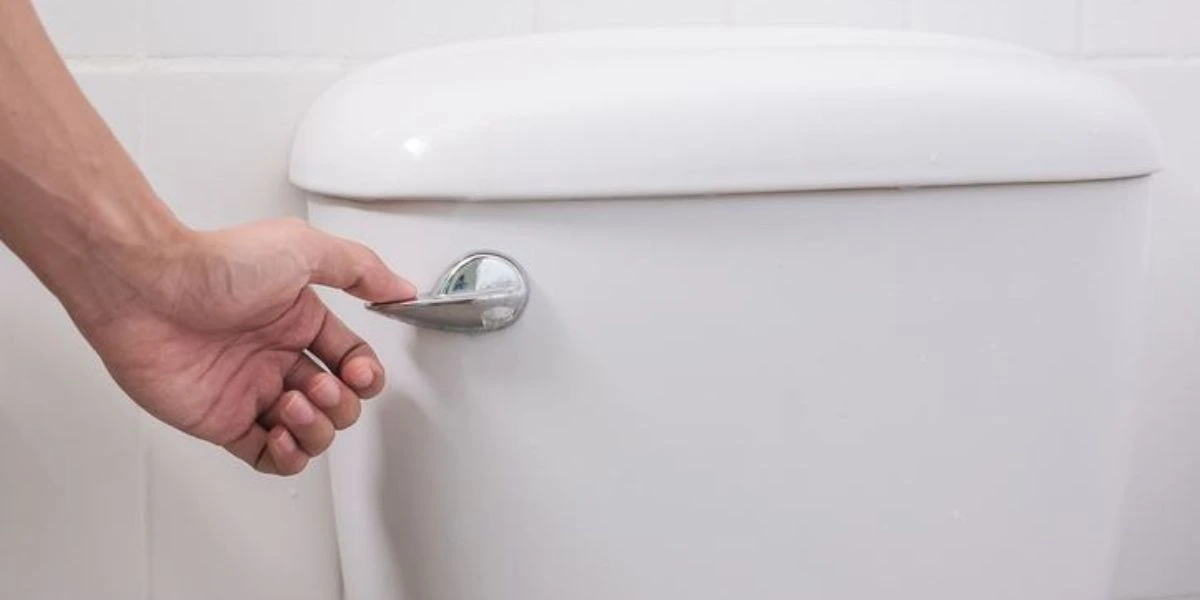
A toilet may flush slowly because too little water leaves its tank, mineral deposits restrict its flush openings, or a partial blockage slows water through the bowl or drain. Sometimes several factors combine. Watch what happens during the flush: weak movement from the start suggests a different issue from water that rises before draining. A tank that merely refills slowly after a normal flush presents a separate problem, although an underfilled tank can weaken the next flush. These distinctions help you choose safe checks and recognise when to stop.
What Makes a Flush Work
A flush needs an adequate volume of water moving quickly through the bowl. It also needs a clear route for water and waste to leave.
Water Delivery and Drainage
Pressing the handle or button opens a tank outlet, often through a chain and flapper. Water enters the bowl through passages that vary by toilet design. Some models use rim openings, a siphon jet near the bottom of the bowl, or both. The sudden flow helps move waste through the toilet trap and into the drain. Once the tank releases enough water, its seal closes and the fill valve replenishes the tank.
If the tank starts too low, the seal drops prematurely, or deposits restrict openings, the bowl may receive too little water or receive it too slowly. Conversely, the tank may work properly while a partial obstruction impedes discharge through the trap or downstream pipe.
Slow Flush Versus Slow Refill
A weak flush describes what happens when you operate the toilet: the bowl clears sluggishly or incompletely. Slow refill describes what happens afterwards, when the fill valve takes unusually long to restore tank water. However, if someone flushes again before the tank reaches its normal level, the next flush may lack enough water.
A fill valve or float can also stop filling too soon and leave the tank consistently underfilled. In that case, the next flush may suffer even after a long wait.
Match the Symptom to a Possible Cause
If the bowl water rises unusually high, wait and prepare to stop further flushing.
What Different Patterns Suggest
- Weak bowl-clearing action: Low tank water, early seal closure, restricted flush openings, or a partial blockage may reduce effective flow.
- Water rises before draining: A restriction in the trap or drain becomes more likely, particularly when water drains slowly after the initial rise.
- Waste needs repeated flushes: The toilet may deliver insufficient water or face a partial blockage. Repeated flushing can cause an overflow if water already stands high.
- Tank refills slowly: The supply, fill valve, or related components may limit refill speed. Check whether the tank reaches its usual level before the next flush.
- Gurgling: Moving water or air may encounter resistance in the drainage system. Look for other symptoms before suspecting a wider drain or vent issue.
- Several fixtures drain slowly: A problem beyond this toilet becomes more plausible and deserves prompt assessment.
For instance, weak bowl movement may reflect mineral deposits at flush outlets or too little tank water, while a rising bowl suggests a restricted exit.
Look Beyond One Toilet
Listen for gurgling when another fixture drains. Check whether a nearby shower, basin, or second toilet drains slowly or backs up. Several affected fixtures suggest that the restriction may lie farther along a shared drain.
Avoid testing the system by repeatedly sending more water through affected fixtures. If sewage appears in a shower or floor drain, stop using nearby plumbing and arrange urgent assessment through the appropriate property contact.
Begin With Checks That Need No Tools
Before touching the tank, consider whether somebody recently dropped a small object into the bowl. Small objects can lodge out of sight. A visible object near the opening may need careful removal with gloves, provided you can reach it without pushing it deeper. If you cannot reach it easily, avoid probing blindly.
Start with the bowl, then check the tank only after you have ruled out an immediate overflow risk.
Watch One Flush Carefully
Before flushing, check the bowl level. If it already sits unusually high, skip the test and seek help. Otherwise, flush once and observe:
- Does water enter the bowl strongly from the start?
- Does the bowl rise before it starts draining?
- Does water leave completely, or does waste remain?
- Does the tank stop refilling at its usual level?
- Do nearby drains make unusual sounds or drain slowly?
Do not flush again merely to confirm a blockage if the water rises. Instead, give the bowl time to settle.
Inspect the Tank Level
Lift the tank lid carefully and put it on a stable surface. After the tank finishes refilling, compare the water level with any manufacturer's mark and with the overflow tube. If the water sits clearly below its intended mark, the next flush may start with insufficient volume.
Observe whether the float stops the fill valve early or catches against another component. If the tank never reaches its usual level, check the toilet's supply valve without forcing it; a partly closed valve may restrict flow. Leave damaged, corroded, or leaking supply fittings alone.
Check How Much Water the Tank Releases
Observe the mechanism during one safe flush if the bowl drains normally enough to avoid an overflow.
Handle, Chain, and Flush Seal
When you operate the handle, its arm should lift the flapper or other flush seal enough to release water. A chain with excessive slack may delay or limit that lift. Likewise, a handle that sticks or fails to travel fully may shorten the flush.
Watch whether the seal drops while substantial water remains in the tank. Some toilets intentionally release only part of the tank's water, particularly with dual-flush controls. If an ordinary full flush ends prematurely, the seal, chain, or handle may need adjustment or replacement.
If you can identify the correct adjustment point, make only a small change with the water supply safely controlled. Avoid bending old plastic arms, forcing buttons, or taking fittings apart when their function remains unclear. A persistent weak flush after a minor adjustment calls for a closer inspection.
Flush Openings and Mineral Deposits
If the bowl rinses poorly on one side, compare the flow from accessible openings while the toilet flushes safely. Uneven flow can support the case for buildup, although bowl shape and water level also affect the pattern. Never assume that a stain alone shows a blocked passage.
Some toilets feed water through small openings beneath the bowl rim or a jet opening near the bowl bottom. Deposits can restrict these passages, change the water pattern, and reduce the force of a flush.
Gentle cleaning with a product suitable for your toilet may help accessible deposits. Follow the product instructions, protect surfaces, and avoid mixing chemicals. If cleaning accessible areas changes nothing, a hidden restriction or unrelated fault may remain.
Deal With a Suspected Local Blockage
A partial blockage may sit in the toilet trap or farther along the drain.
Use a Toilet Plunger Carefully
If the bowl contains enough water to cover the plunger head but has room below the rim, a suitable toilet plunger may help clear a local obstruction. A flange-style plunger generally seals the toilet outlet better than a flat sink plunger.
Stop if the water approaches the rim, splashes heavily, or fails to improve after reasonable attempts. Never keep flushing to supply more water to a nearly full bowl.
If the toilet threatens to overflow during a flush, stop the flush mechanism if you can do so safely, or close the toilet's supply valve if it turns easily. Do not force a seized valve. Keep people away from wastewater and contact the appropriate plumber or building contact promptly.
When an Auger Makes Sense
A toilet auger can sometimes reach an obstruction beyond a plunger's effective range. If you suspect a solid object, lack a suitable auger, or cannot determine where resistance occurs, leave the work to a plumber. Never force a tool through resistance or improvise with a sharp wire.
Do not pour drain chemicals into the toilet or combine different products. Chemicals may harm surfaces or create exposure risks, especially if someone subsequently plunges or opens the line.
Recognise Signs of a Wider Problem
If the toilet repeatedly flushes slowly after sensible checks, look at the broader pattern.
Other Drains and Unusual Sounds
A blockage in a shared drain may affect several fixtures. For example, a nearby shower may drain slowly while the toilet gurgles, or wastewater may appear in a lower drain when another fixture runs. Ventilation problems can also alter drainage behaviour, but similar noises arise from restrictions and other conditions.
Record which fixtures show symptoms and when they occur. Then avoid prolonged use if wastewater backs up or multiple drains fail. If sewage enters a room, limit contact, keep children and pets away, and seek urgent help. Do not try to clear a suspected wider blockage by flushing repeatedly.
When to Seek Qualified Help
Tell the plumber whether a plunger changed the water level, whether the tank releases a full volume, and whether another drain gurgles. These observations can direct the first inspection without requiring you to dismantle the toilet.
Contact a plumber if plunging does not improve a suspected local blockage, a foreign object may be trapped, the toilet repeatedly needs several flushes, or other drains also slow down. If a simple tank adjustment cannot explain recurring weak flushing, professional plumbing services Toronto can safely assess the toilet and other affected fixtures thoroughly.
Seek help sooner if wastewater backs up, the toilet leaks onto the floor, or the supply valve will not operate normally. Avoid assuming that every stubborn flush requires extensive drain work; the findings should determine the next step.
Tenants and Routine Prevention
Tenants can gather useful observations without undertaking invasive repairs.
Reporting the Problem Clearly
Tell your landlord or property manager if slow flushing recurs, plunging does not resolve it, or other fixtures show related symptoms. Explain whether the bowl rises, the tank reaches its usual level, and any gurgling or leakage. Include the time the issue started and whether wastewater has backed up. Use the building's urgent contact process for an overflow or sewage backup.
Ask before replacing components or using an auger if your tenancy arrangements call for reporting maintenance issues. Avoid disassembling supply fittings or concealed drain connections.
Habits That Reduce Avoidable Trouble
Flush only materials that the toilet can reasonably handle; place wipes, hygiene products, and other non-flushable items in a bin, regardless of packaging claims. Use a sensible amount of toilet paper rather than attempting to send a large bundle through at once. If deposits develop around accessible flush openings, clean them gently with a suitable product.
Check that the tank fills to its intended level and that the handle moves freely. Respond to a recurring symptom instead of compensating with extra flushes.
Frequently Asked Questions
Does a slow flush always mean the toilet is clogged?
No. A partial blockage can slow drainage, particularly when bowl water rises first. Low tank water, a flush seal that closes too soon, or deposits in flush openings can also weaken the flush. Watch how water enters and leaves the bowl before assuming the trap contains an obstruction.
Why does the toilet tank refill slowly?
A partly closed supply valve, an obstructed or worn fill valve, or restricted supply flow may slow refilling. The slow refill happens after the flush. However, another person may get a weak flush if they operate the toilet before the tank fills. Check its final level as well.
Can a plunger help a weak flush?
A toilet plunger may help if a local blockage makes bowl water rise or drain slowly. It will not correct a low tank level or restricted flush openings. Use steady strokes with enough water to cover the plunger head, and stop if the bowl approaches the rim.
What does gurgling after a flush mean?
Gurgling may indicate that air and water encounter resistance somewhere in the drainage system. It can accompany a local restriction, a wider drain issue, or a ventilation problem. Check whether other fixtures drain slowly or make noises. Persistent gurgling warrants assessment, especially alongside repeated weak flushing.
Can low water in the tank cause a weak flush?
Yes. When the tank holds less water than the toilet's intended setting, it may release too little to clear the bowl effectively. Check the level after filling stops and look for the manufacturer's mark. A float or fill-valve issue may need adjustment or repair if the level stays low.
Why does water rise before draining slowly?
A restriction in the toilet trap or drain may prevent water from leaving as quickly as the flush sends it into the bowl. Stop repeated flushing because the bowl could overflow. If a suitable plunger does not improve drainage, or other fixtures also struggle, request plumbing assistance.
Could mineral deposits weaken the flush?
Yes. Deposits can narrow accessible rim openings or a siphon jet on toilets that have them, reducing or redirecting water flow. Look for uneven bowl rinsing and visible buildup. Clean accessible areas gently with a suitable product; avoid sharp tools and harsh chemical mixtures that could damage surfaces.
Is an early-closing flapper always faulty?
No. Some toilets deliberately release only part of the tank during certain flush settings. Check the toilet's design and observe a full flush before changing anything. If an ordinary flush releases too little water, the chain, handle, or seal may need attention. Avoid forcing unfamiliar controls.
When should I stop trying to clear the toilet?
Stop if bowl water nears the rim, wastewater backs up elsewhere, a tool meets firm resistance, or repeated plunging brings no improvement. Also stop if water leaks onto the floor. Avoid chemical drain cleaners and arrange help; report sewage or an imminent overflow through the property's urgent contact route.
Should a tenant report a toilet that still flushes?
Yes, if weak flushing recurs, clearing waste takes several attempts, or the problem affects other drains. Report the symptoms rather than guessing the cause. Mention rising bowl water, gurgling, and any leak. Prompt reporting matters particularly when a toilet threatens to overflow or wastewater backs up.
Conclusion
A slow flush may start with poor water delivery from the tank, restricted bowl openings, or an obstruction in the trap or drain. First, watch one safe flush and check whether the tank fills to its intended level. A suitable plunger may help a suspected local blockage, but stop if water rises or the problem persists. Gurgling, repeated weak flushes, and trouble in other fixtures call for wider assessment. Tenants should report recurring symptoms and use their building's urgent contact process for backups or overflows.
More posts: Back to Blog


