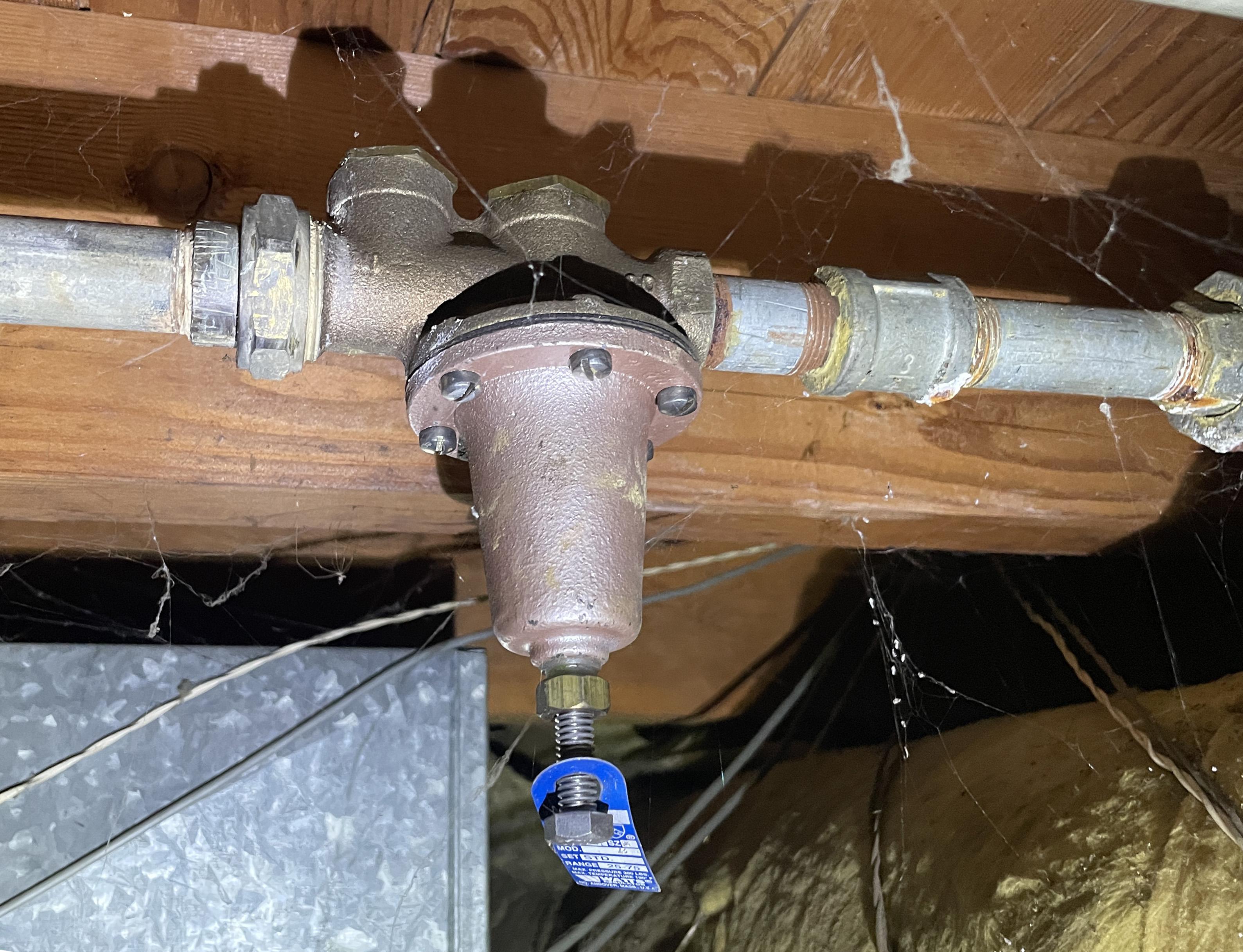
Plumbing pipes often whistle when water passes through a restricted opening or makes a valve component vibrate rapidly. Worn faucet washers, faulty toilet fill valves, partially closed shut-off valves and mineral deposits can create the conditions for a high-pitched sound. Elevated pressure sometimes intensifies the noise, although pressure alone does not explain every whistle. The sound may travel along a pipe even when its source lies inside a fixture. Paying attention to when the noise starts and stops helps identify the likely problem without unnecessary repairs.
How Flowing Water Creates a Whistling Sound
Water does not automatically whistle simply because it moves quickly. A distinct tone usually develops when flow passes through a particular gap, restriction or valve arrangement and excites a component into repeated movement. For example, a loose washer can flutter as water moves around its edges.
A narrower passage can increase local water velocity and change the forces acting on internal parts. However, restrictions do not always whistle: their shape, the pressure difference across them and the condition of surrounding components influence the result.
This distinction matters because homeowners often describe the noise as coming from their pipes when a faucet cartridge, toilet valve or shower component actually generates it. Pipes can transmit or amplify the sound without containing the original defect.
Common Mechanical Causes of Whistling Plumbing
The fixture that triggers the sound, the position of its control and any changes in flow provide more reliable clues than loudness alone.
Excessive Pressure and Pressure Fluctuations
Water pressure helps drive flow through household fixtures. When pressure becomes unusually high, a large pressure difference across a small opening can encourage valve components to vibrate. If a pressure-reducing valve operates erratically, it can also produce a sustained noise that travels along connected pipes.
Whistling at several unrelated fixtures makes a shared pressure condition worth investigating. Still, multiple noisy taps do not prove that pressure exceeds a particular limit. A plumber can measure pressure under appropriate conditions and compare results with the installation's requirements.
Partially Closed or Deteriorating Shut-Off Valves
A shut-off valve controls the supply to an individual fixture or branch. When its internal opening remains partly restricted, moving water may produce a concentrated jet and excite a loose seal or other component. The whistle may stop when that fixture stops drawing water.
An old valve can also contain worn internal parts, so opening it further may not eliminate the sound. Do not force a stiff handle or repeatedly turn an ageing valve merely to test it. A plumber can determine whether the valve requires adjustment, repair or replacement.
Worn Faucet Washers and Cartridges
Older compression-style faucets use washers that press against a seat to stop water. If a washer loosens or deteriorates, flow can make it vibrate and squeal. Many modern faucets use cartridges instead. Wear, debris or damage inside a cartridge can create a similar sound, although the precise mechanism depends on the design.
A revealing symptom is a whistle that appears only at a particular handle position. Changing the opening changes flow through the component, which may interrupt or intensify its vibration. Repair should follow inspection rather than an assumption that every noisy faucet needs a new cartridge.
Mineral Deposits and Narrowed Water Passages
Dissolved minerals in some water supplies leave deposits around faucet aerators, showerhead openings and internal valve passages. Sediment or small debris can create similar restrictions. Restricted passages can also cause weak or uneven flow without creating any noise.
Check whether reduced water flow accompanies the whistle. A visibly obstructed removable aerator may justify straightforward cleaning according to the fixture manufacturer's instructions. Internal restrictions or recurring blockages need closer assessment because the visible outlet may not contain the actual source.
Toilet Fill Valves During Tank Refilling
A toilet fill valve opens after flushing and controls water entering the tank. Worn seals, internal restrictions or unstable movement inside the valve can create whistling as the tank refills. The pitch may change as the tank fills.
Listen for the connection between flushing and the noise. If whistling continues after the tank should have filled, the toilet may also have a running-water problem.
Showerheads and Shower Mixing Valves
Shower noise may originate at a restricted showerhead opening, inside a mixing cartridge or in a valve supplying the shower. When water passes through deposits or a worn internal component, a high-pitched whistle can accompany particular temperature and flow settings.
If other fixtures remain quiet, the shower assembly deserves attention before the main supply system. However, replacing a showerhead will not correct a faulty mixing valve. Note whether the whistle changes with temperature selection or flow rate, and leave concealed valve work to a qualified professional.
Why Different Plumbing Noises Matter
A useful description includes both the sound and its timing. Whistling generally has a clear, high pitch during flow, while other noises may involve different physical processes.
- Whistling: A sustained or intermittent tone that may arise when a valve or restricted passage excites vibration.
- Humming: A lower tone that may come from a regulating component, pump or vibrating assembly.
- Rattling: Repeated contact between a loose pipe, fitting, support or surrounding structural material.
- Banging: A sudden impact-like noise that can follow rapid valve closure and an associated pressure surge.
- Squealing: A sharp, high sound that may originate from worn or rapidly oscillating components.
- Ticking: Small clicks that often accompany temperature-related pipe expansion against nearby surfaces.
Sound descriptions often overlap. Consequently, the triggering fixture and exact moment of operation provide stronger evidence than the description alone. A bang when a washing machine valve closes suggests water hammer rather than the flow-related whistle heard throughout filling.
Hot-Water Whistling Versus Cold-Water Whistling
A whistle limited to hot-water operation may involve a hot-side faucet cartridge, mixing valve or restriction along the hot supply. If several hot-water fixtures produce the sound, a shared component deserves inspection. The water heater forms part of that system, but its presence does not prove it creates the noise.
Temperature can change how certain seals and components behave, which may explain why one valve whistles only after warming. Separately, copper and PEX pipes expand as their temperature rises. That movement more often produces clicking or ticking near supports than a sustained whistle. Comparing hot-only, cold-only and mixed-water operation helps distinguish these mechanisms.
Avoid changing water heater temperature controls or safety devices to investigate the sound. If the symptoms involve scalding water, unpredictable temperature changes or poor flow, arrange appropriate professional attention rather than continuing experiments at the tap.
Municipal Water Supplies and Private Wells
Canadian homes receive water through different arrangements, and those differences affect troubleshooting. A municipal connection may include pressure-reducing equipment that influences conditions at several fixtures. On a private well, a pressure pump, tank and associated controls maintain supply pressure. Pump cycling can change flow conditions and reveal a noisy valve elsewhere in the house.
A whistle that coincides with pump operation makes the well equipment relevant to the investigation, but coincidence does not establish a fault. Record which fixtures operate when the noise appears and whether delivery pressure seems to change. Leave electrical pump controls and pressurised tanks to appropriately qualified personnel.
How to Identify the Likely Source Safely
Start by observing ordinary fixture operation rather than opening plumbing components. Simple comparisons can indicate whether the source is local or shared.
- One faucet only: Note whether the whistle depends on handle position. Its cartridge, washer or local shut-off valve may deserve inspection.
- Several faucets: Record whether the noise starts with any water demand. Shared pressure controls or upstream restrictions become more plausible.
- Toilet refilling: Check whether the sound begins after flushing and ends when the tank finishes filling.
- Shower operation: Compare temperature settings and flow without removing concealed controls or disturbing hot-water safety devices.
- Appliance filling: Note whether the whistle occurs while a washing machine or dishwasher draws water, rather than after its valve closes.
- Unusual persistence: Record whether noise continues after every fixture stops. Hidden running water or a cycling device may require assessment.
When possible, listen near accessible fixtures and valves without touching vibrating or leaking components. Also note recent maintenance, changes in flow and visible moisture. Do not cut through walls, open pressurised connections or investigate beside unsafe electrical equipment.
Which Homeowner Checks Are Reasonable?
A visible leak, damaged fixture or unusually poor flow provides more specific evidence than sound alone. Inspect accessible areas visually, and check whether taps close normally. If a removable aerator appears obstructed, follow its manufacturer's cleaning instructions only when the fitting is in sound condition and you can complete the task safely. Stop if its threads resist movement or water begins escaping unexpectedly.
Avoid dismantling pressure-reducing valves, toilet internals or appliance connections without the necessary knowledge and precautions. Do not repeatedly operate a stiff shut-off valve. Tenants should report recurring noise, leaks or faulty fixtures to the responsible property manager rather than modifying building plumbing.
Professional Diagnosis and Repairs
A plumber can compare fixture behaviour, inspect accessible components and assess pressure when persistent whistling lacks an obvious source. The investigation may include determining whether the noise originates at a local valve, an aerator, a shower assembly or a common pressure-control device. Pressure readings during relevant operating conditions can help distinguish a shared supply concern from a defect at one outlet.
Suitable repairs depend on the finding. A plumber may clean a restricted outlet, replace a deteriorated washer or cartridge, correct a damaged shut-off valve or repair a toilet fill valve. Where pipe supports amplify an existing sound, adjusting restraints may reduce transmission without correcting the original restriction. A residential plumbing service can assess combined symptoms instead of recommending the same replacement for every whistling fixture.
A professional should also consider access and local requirements before modifying concealed piping or pressure equipment. Provincial, territorial and municipal requirements may differ.
When Whistling Requires Prompt Attention
A brief whistle limited to one otherwise functional tap may reflect a minor component issue. Nevertheless, persistent noise deserves inspection, particularly when fixture performance changes. Whistling itself does not prove that a pipe will burst or that a leak already exists.
Seek timely assistance when you notice:
- Water dripping near a connection or moisture spreading around a wall or cabinet.
- Sudden pressure changes, weak flow across several fixtures or unusual pump cycling.
- A toilet that runs continuously or repeatedly refills without anyone flushing it.
- Strong pipe movement, repeated banging or noise that grows noticeably worse.
- Recurring problems after previous repairs or signs of damage around a valve.
If water escapes rapidly, use the main shut-off only if access is safe, and arrange urgent assistance. Keep away from wet electrical equipment.
Maintenance That Can Reduce Recurring Noise
Pay attention to changes in faucet performance and toilet refill behaviour, since early symptoms may reveal deteriorating components. Keep suitable outlet parts clear of visible deposits without damaging finishes, and arrange proper repairs when internal valves malfunction. During ordinary checks of accessible basement or utility-room piping, look for missing supports, corrosion or moisture without disturbing the connections.
Water chemistry, fixture design, pressure behaviour and component wear vary between homes. Address a recurring noise according to its source rather than repeatedly cleaning unrelated fixtures.
Frequently Asked Questions
Why do pipes whistle when one faucet runs?
A worn washer, damaged cartridge or restricted local shut-off valve may produce the sound as water passes through it. Note whether the pitch changes with handle position. If other fixtures remain quiet, a local component deserves attention first, although sound travelling through connected pipes can complicate identification.
Can high water pressure make plumbing whistle?
Elevated pressure can increase forces across narrow openings and cause susceptible valves to vibrate. However, pressure alone does not explain every whistle. Several affected fixtures may justify professional pressure testing. Avoid changing a regulator without confirming the cause and checking the relevant installation requirements for your home.
Why does a toilet whistle after flushing?
The toilet fill valve controls water entering the tank after a flush. Worn seals or restricted passages may vibrate during refilling. Observe whether the sound stops once the tank fills. Continued noise or repeated refill cycles may indicate additional faults, such as a leaking flush seal or malfunctioning valve.
Can a partly closed shut-off valve cause whistling?
Yes. Water passing through a narrow valve opening can excite an internal seal or other component and create a high-pitched tone. Yet worn valves can whistle even when their handles appear fully open. Do not force old controls; request inspection if the valve feels stiff, leaks or behaves unpredictably.
Why does my shower make a high-pitched sound?
Restricted showerhead openings, a deteriorating mixing cartridge or another local valve may generate noise during flow. Compare sound at normal temperature and flow settings. If several outlets also whistle, consider a shared supply concern. Avoid opening concealed shower controls or altering safety devices to test possible causes.
Can mineral buildup make water pipes whistle?
Mineral deposits may narrow an aerator, showerhead opening or internal valve passage. Under suitable flow conditions, that restriction can make nearby components vibrate audibly. However, deposits may only reduce water flow without creating noise. Check accessible outlets for visible blockage, and seek help with recurring or concealed restrictions.
Why does plumbing whistle only with hot water?
A hot-side cartridge, mixing valve or restricted branch may react differently as warmer water flows. Temperature can influence some seals, while expanding pipes usually produce clicks rather than a steady whistle. Compare affected fixtures and note temperature settings. Do not assume the water heater itself causes the noise.
Is a whistling water pipe dangerous?
Whistling does not automatically indicate an emergency. A worn local valve may cause annoyance without immediate damage. However, visible leaks, severe movement, sudden pressure changes or persistent running water require attention. These accompanying symptoms matter more than pitch alone. Seek urgent help if water escapes rapidly or threatens electrical equipment.
Can I stop a plumbing whistle myself?
You can compare fixtures, observe refill cycles and check accessible areas for moisture. Careful cleaning of a sound removable aerator may help when visible deposits restrict it. Avoid forcing valves or opening pressurised connections. Persistent noise, concealed components and uncertain pressure problems justify assessment by a qualified plumber.
When should I call a plumber about whistling?
Arrange an inspection when whistling persists, spreads to multiple fixtures or accompanies weak flow, leaks or unusual pressure. Report when the noise starts, which controls affect it and any recent plumbing changes. Prompt attention becomes especially important when water runs continuously, joints leak or pipes move forcefully.
Conclusion
Plumbing whistles often begin where water flows through a restriction or causes a worn valve component to vibrate. Compare affected fixtures, flow settings and the timing of the noise before deciding what needs attention. Safe observation can identify useful clues, but persistent whistling with leaks, pressure changes or abnormal fixture operation calls for a professional assessment and a repair based on the confirmed cause.
← Back to Blog


