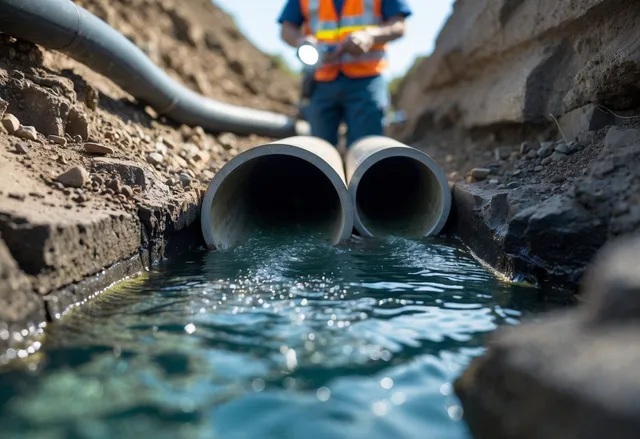
Improperly sized plumbing pipes can limit water delivery, increase pressure losses, delay hot water or interfere with drainage and venting. An undersized supply line may serve one faucet adequately but struggle when several fixtures run. Unnecessarily large hot-water branches can hold more cooled water, extending the wait for warm water. Drain and vent pipes follow different design principles, so their dimensions affect discharge capacity and air movement rather than tap pressure. The consequences depend on pipe material, layout, connected fixtures and operating conditions; size alone never explains every plumbing problem.
What Does Incorrect Pipe Sizing Mean?
A pipe has an unsuitable size when its internal dimensions do not meet the demands of its particular plumbing function. Supply lines carry water under pressure; drains use gravity to convey wastewater; vents allow air movement that helps protect drainage trap seals. Consequently, one sizing approach cannot serve all three systems.
For water supplies, a designer considers available pressure, probable fixture demand, pipe length, fitting losses and actual inside diameter. Drainage sizing involves fixture discharge loads, slope and routing. Vent arrangements depend on connected drainage loads and the relevant configuration. A pipe that supplies a single basin adequately may perform poorly after someone adds a bathroom to the same branch.
The National Plumbing Code of Canada provides a model framework, but provinces, territories and municipalities determine which provisions apply locally. Homeowners should avoid treating any nominal pipe diameter as a universal requirement for every Canadian property.
How Undersized Supply Pipes Affect Water Delivery
A narrow supply line offers more resistance to a given flow than an otherwise comparable wider line. As demand increases, friction and losses through bends, valves and fittings consume more available pressure. Fixtures at the end of a long, restrictive branch may receive less water while other outlets operate.
Static Pressure, Flow Rate and Operating Pressure
Static pressure describes pressure when no water moves through the system. Flow rate describes how much water a fixture receives over time. During use, moving water loses pressure along pipes and through components; the pressure available at a working fixture therefore differs from the static reading.
This explains why a gauge may show acceptable static pressure while a shower delivers weak flow whenever a washing machine fills. A smaller passage may increase local water velocity under particular conditions, but it cannot manufacture additional supply capacity. Higher velocity and friction can instead increase pressure losses.
Why Simultaneous Fixture Use Exposes Restrictions
One faucet places little demand on a shared branch. Two showers, or a shower alongside a dishwasher, require more flow through upstream piping. If the common line cannot support that demand at an adequate operating pressure, both outlets may perform poorly.
The symptoms may include:
- A shower slowing when someone opens the kitchen tap.
- Two bathrooms receiving weaker flow during simultaneous use.
- A washing machine filling slowly while other fixtures operate.
- Temperature changes at a shower when competing flow affects its mixing conditions.
These patterns suggest a supply restriction, not necessarily incorrect pipe dimensions. Clogged aerators, partially closed valves, pressure-reducing equipment or insufficient well-pump capacity can produce similar results. A professional must evaluate the entire supply path before recommending larger piping.
Can Supply Pipes Also Be Too Large?
A larger supply pipe generally reduces friction losses for the same flow, but unnecessary volume can create practical disadvantages. More material and larger fittings may increase installation costs. A long oversized branch also stores more water than a smaller branch of equal length.
Where occupants use a fixture infrequently, water may remain in that section longer. Water age deserves consideration in system design, although an oversized pipe does not automatically cause contamination or make water unsafe. Usage patterns, layout, temperature and maintenance influence actual conditions.
Oversizing does not inherently reduce static water pressure, and reducing diameter without calculation may worsen operating performance.
Hot-Water Waiting Time and Water Volume
After hot water sits in an uncirculated branch, the water inside gradually cools. Someone opening a distant hot tap must first discharge much of that cooled volume before freshly heated water arrives. Increasing the branch's diameter increases its stored volume if length remains equal, which can extend delivery time at a comparable draw rate.
Insulation, fixture flow, pipe routing and any recirculation system also influence waiting time and heat loss. A bathroom far from the water heater may behave differently from a nearby kitchen. Replacing piping solely to shorten delays requires assessing these factors together.
Drainage Pipes Need Different Sizing Principles
Drainage relies primarily on gravity, suitable slope and an arrangement that carries wastewater and solids towards the building drain. Unlike supply sizing, drainage design must account for intermittent discharges, fixtures sharing branches and the movement of solids where applicable.
Problems With Undersized Drainage Lines
A drain with insufficient capacity for its connected fixture load may struggle when several fixtures discharge. Water can back up, drain slowly or overwhelm a branch during use. However, grease, hair, foreign objects, damaged pipes and poor routing can create the same symptoms even when the diameter suits the design.
A recurring backup during simultaneous discharge deserves investigation rather than repeated chemical drain treatments. The plumber needs to determine whether the issue involves diameter, an obstruction, branch layout or another fault.
Why Wider Drains Are Not Always Better
An unnecessarily wide gravity drain does not automatically clear blockages more effectively. With some flows and slopes, shallow wastewater may transport solids less effectively than a correctly designed arrangement. Yet it would be inaccurate to claim that every oversized drain causes clogs. Pipe grade, discharge volume, fixture type and geometry all matter.
Adequate slope also matters independently of diameter. Too little fall can leave wastewater moving sluggishly, while unsuitable configurations may impair solids transport. Adding slope or changing dimensions without assessing the complete route may introduce other problems. Qualified plumbers apply the appropriate sizing and grading provisions together.
Why Vent Pipe Dimensions Matter
Drainage vents permit air movement that moderates pressure changes as wastewater travels through the system. A suitable vent arrangement helps preserve the water seal in traps beneath fixtures. Those seals limit the movement of sewer gases into occupied rooms.
An inadequately sized or configured vent may contribute to pressure fluctuations and trap siphonage under certain discharge conditions. Occupants might notice gurgling, fluctuating trap water or unpleasant odours if a trap loses its seal. Nevertheless, blockages or drainage defects can produce comparable signs, so gurgling cannot prove a vent-sizing problem.
Vent design considers connected loads, pipe length, branch arrangements and applicable local rules. Never alter or cap a vent to silence a noise; doing so can compromise drainage performance and trap protection.
Pipe Material Changes the Meaning of Diameter
Nominal pipe sizes do not always describe identical internal openings. Copper and PEX products may use different wall thicknesses, while particular fittings can narrow the flow passage further. Two lines bearing the same nominal designation may therefore have different hydraulic characteristics.
A sizing assessment must consider the specific material, joining method and fitting arrangement, not just a measurement across the outside of a visible pipe. This is particularly relevant when renovations combine older copper runs with newer PEX branches.
Pipe length also matters. A long run with numerous elbows can create greater pressure loss than a short, direct route of similar diameter. Consequently, increasing one exposed pipe section may accomplish little if another component remains the main restriction.
Noise, Velocity and Long-Term Wear
High water velocity through a restrictive supply section can contribute to rushing sounds or make susceptible valves vibrate. Poorly supported piping may transmit these sounds into nearby framing. Rapid valve closure can also create transient pressure surges, commonly called water hammer, although sizing alone does not determine whether hammer occurs.
Repeated vibration or unusually demanding operating conditions may increase stress on components, but undersized pipes do not inevitably burst or leak. Material quality, water chemistry, support spacing, joint condition and valve behaviour influence reliability. Distinguish a persistent performance concern from visible damage requiring immediate attention.
Why Renovations Can Reveal Existing Sizing Problems
An original supply branch may have suited a house with one bathroom. Adding another shower, a laundry connection or a relocated kitchen can increase probable simultaneous demand or extend the pipe route. The existing service, meter, valves and branches may then limit the expanded arrangement.
Similarly, extra fixtures change drainage loads and may require different branch or vent provisions. Replacing one exposed pipe with a wider product cannot fix every constraint downstream or upstream. Before renovation work begins, assess:
- Expected fixture demand, including realistic simultaneous use.
- Existing service and branch capacity, pipe materials and route lengths.
- Drainage connections, slopes and loads from proposed fixtures.
- Vent routing and any locally required permits or inspections.
A renovation does not automatically require whole-house repiping. Selective changes may address the actual constraint while preserving otherwise suitable plumbing.
Safe Signs Homeowners Can Check
Observations can point towards a possible sizing issue, but they cannot establish the correct diameter. Keep notes about when symptoms occur and which fixtures share the problem.
- Compare one running shower with the same shower while another tap operates.
- Notice whether slow drains worsen when multiple fixtures discharge together.
- Identify where hot water takes noticeably longer to arrive.
- Record symptoms that began after a renovation or appliance addition.
- Look for visible leaks, damaged supports or unusual pipe movement in accessible areas.
- Review available drawings, renovation records or inspection documentation.
Do not open pressurised pipes, cut into concealed cavities or modify drainage and vent lines to test a theory. Active sewage backups, significant leaks and water near electrical equipment require prompt, appropriate assistance.
How a Plumbing Professional Confirms the Cause
A qualified plumber can review connected fixtures, calculate probable demand and inspect accessible pipe dimensions and layouts. For water supplies, measurements may include static and operating pressure, changes during simultaneous use and restrictions across valves or treatment equipment. A residential plumbing service can then distinguish inadequate piping capacity from faults that need a different repair.
Drainage assessment may involve checking branch configuration, slope, fixture loads and potential obstructions. Vent inspection considers the arrangement serving the affected fixtures and applicable requirements. Professionals may also examine existing drawings and evaluate proposed changes before renovations proceed.
Solutions depend on findings: one branch may need resizing, a restrictive valve may need repair or a drainage defect may need correction. Whole-house replacement makes sense only when the wider system actually warrants it. Where local rules require permits, inspections or licensed tradespeople, the work must follow those requirements.
Preventing Sizing Problems During Installation
Plan plumbing around the complete system rather than choosing pipe diameters by appearance. Account for available supply pressure, connected fixtures, developed lengths, materials, fittings and expected demand. For drains and vents, evaluate the fixture loads, slope, configuration and protection of trap seals.
Before approving alterations, ask how the new layout affects existing branches and whether a local permit or inspection applies. Properly selected dimensions should support the intended installation without unnecessary water volume or avoidable pressure loss.
Frequently Asked Questions
What happens if household water supply pipes are too small?
Undersized lines can create excessive pressure loss as demand increases, leaving some fixtures with weak flow during simultaneous use. A single tap may still perform normally. Pipe length, fittings and available supply pressure also matter. A plumber should check other restrictions before concluding that replacement piping will improve performance.
Can undersized pipes cause low water pressure?
An undersized line can reduce pressure available at a fixture while water flows, especially at higher demand. Static pressure may remain satisfactory when every tap closes. Restricted valves or inadequate supply equipment can create similar symptoms. Comparing pressure under different operating conditions helps identify the actual source of loss.
What problems can oversized supply pipes create?
Oversized branches hold more water and may increase hot-water waiting time where long runs lack circulation. Larger materials can also raise installation costs. However, oversizing does not automatically reduce household pressure or cause contamination. Pipe layout, usage frequency, insulation and actual fixture requirements determine whether extra volume creates a practical problem.
Can incorrect drain sizing lead to repeated blockages?
Incorrect diameter can affect drainage capacity and, under some conditions, solids transport. Yet recurring blockages more often warrant checks for physical obstructions, poor slope or damaged piping as well. A professional should examine fixture loads and the drain layout before recommending a size change. Wider pipes alone cannot guarantee clear drainage.
How does pipe diameter influence water flow?
Internal diameter affects resistance as water moves through a pipe. At a comparable flow rate, a narrower line generally creates greater friction losses than a wider one. Length, fittings, material and source pressure also influence delivery. Choosing an appropriate diameter requires assessing actual demand rather than assuming the largest size performs best.
Can incorrectly sized pipes make plumbing noisy?
Restrictive supply piping may increase water velocity and contribute to rushing or vibration under certain flow conditions. However, loose supports, faulty valves and sudden valve closure can create noise independently of size. Note when the sound occurs and whether pressure or fixture performance changes. Noise alone cannot confirm incorrect dimensions.
Does pipe size affect how quickly hot water arrives?
Yes. A wider, longer hot-water branch contains more cooled water between uses, so the occupant may need to discharge more before hot water arrives. Flow rate, insulation, pipe routing and recirculation also matter. Replacing a branch without evaluating those conditions may fail to address the main reason for delays.
How can homeowners recognise a possible sizing problem?
Look for reduced flow when several fixtures run, recurring drainage trouble during heavy discharge or unusual hot-water delays after renovations. Record which outlets experience the problem and when it began. These observations suggest areas for investigation, but measurements and system evaluation determine whether pipe dimensions actually contribute to the symptoms.
Does adding a bathroom require larger supply pipes?
Not necessarily. Another bathroom increases connected fixture demand, but the existing service and branches may already offer sufficient capacity. A plumber should consider simultaneous use, pressure losses, pipe routes, drainage loads and venting. Depending on the design, the renovation may require selective upgrades rather than replacing every supply line in the house.
Can a plumber fix sizing problems without replacing every pipe?
Often, yes. If testing identifies one restrictive branch, a targeted replacement may resolve the issue. Other symptoms might require valve repairs, drainage corrections or pressure-control work rather than resizing. The scope depends on actual system condition, access and applicable requirements. Proper assessment helps avoid unnecessary whole-house repiping.
Conclusion
Incorrect pipe dimensions can affect water flow, operating pressure, hot-water delivery, drainage and venting in different ways. Small supply lines may struggle under simultaneous demand, while unnecessarily large hot-water branches can increase stored water volume. Drainage and vent problems require attention to load, slope and configuration rather than diameter alone. Compare fixture behaviour, document changes after renovations and seek professional assessment when symptoms persist. The correct remedy starts with identifying which part of the system actually limits performance.
← Back to Blog


