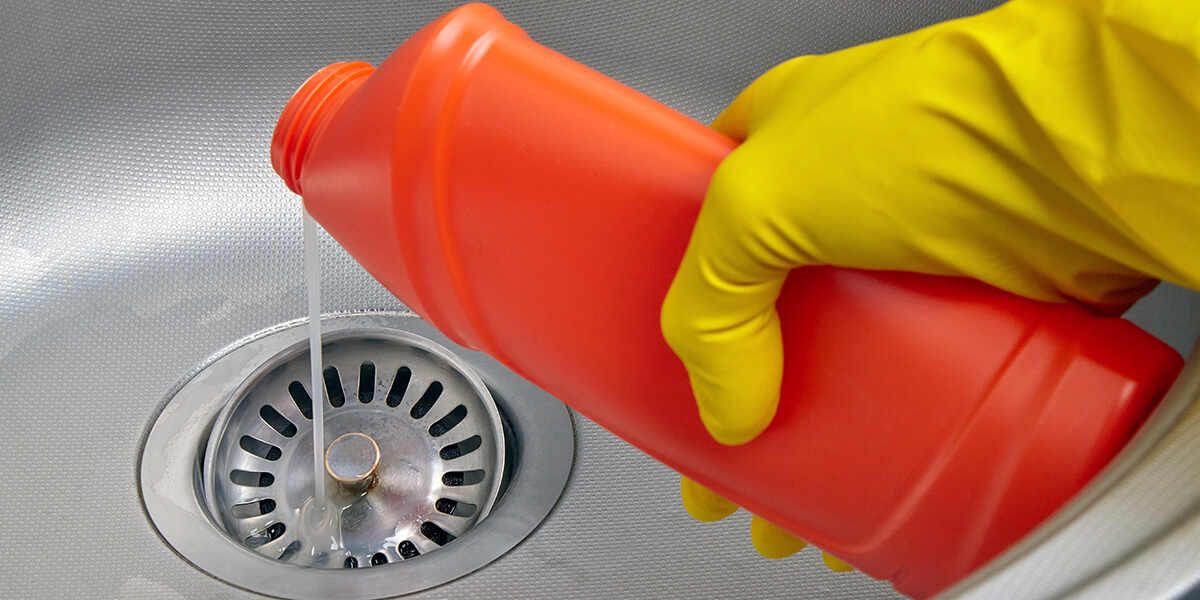
Why Can Chemical Drain Cleaners Damage Residential Plumbing?
Chemical drain cleaners can expose household plumbing to corrosive ingredients, elevated temperatures and reactions with incompatible substances. Some formulations dissolve organic deposits but may threaten vulnerable pipes, joints or seals. Risk depends on the ingredients, concentration, exposure time, blockage and condition of the plumbing. A product suitable for one drain may be unsuitable for another. Checking compatibility and choosing a method suited to the blockage helps prevent avoidable damage.
Why a Drain Cleaner Can Harm More Than the Blockage
Strong ingredients attack debris and may affect susceptible plumbing components. Actual consequences depend on how the product behaves under the conditions inside the drain.
Chemical Corrosion Versus Heat Damage
Corrosion involves chemical attack on a material. Certain acids can react with susceptible metals, while strong alkalis can affect particular materials under specific exposure conditions. Incompatible treatment may worsen existing deterioration. That risk differs from physical damage caused by excessive heat.
Some cleaning reactions release heat, a process that chemists call exothermic. High temperatures may stress plastic fittings, seals or connections. Heat damage does not require pipe dissolution. Conversely, a formulation may remain cool yet pose a corrosion hazard to a susceptible material.
Why Concentration and Contact Time Matter
Product labels address different formulations. Concentrated ingredients demand precautions, especially around deteriorating pipes. Liquid moving through an unobstructed section behaves differently from cleaner trapped against a blockage.
As a result, a treatment that reaches debris and moves onward may present different risks from concentrated cleaner sitting inside a bend. Leaving a product longer than its instructions permit, increasing the quantity or repeating applications without reassessing the blockage can increase uncertainty and potential exposure.
How Different Drain-Cleaner Formulations Work
Chemical drain cleaners contain different ingredients with distinct uses and hazards.
Caustic and Alkaline Cleaners
Some heavy-duty products contain sodium hydroxide or potassium hydroxide. These strongly alkaline substances act on certain fats and organic deposits, helping break material into substances that water may carry away. Some reactions generate heat.
Concentrated alkalis can also cause serious skin and eye injuries. Plumbing compatibility depends on the complete formula and local conditions, not simply whether pipes contain plastic. Cleaner trapped behind an obstruction poses hazards during further work.
Acid-Based Products
Certain specialist products use strong acids to attack particular deposits. Acids vary in their reactions with metals, plastics and other materials. An acid may attack one metal more readily than another.
Nevertheless, using an incompatible acid can accelerate corrosion on vulnerable metal surfaces or damage fittings. Strong acids also pose exposure hazards. Their suitability requires explicit product instructions and appropriate plumbing knowledge; homeowners should not treat industrial or professional formulations as interchangeable with ordinary household cleaners.
Oxidising Formulations
Oxidising cleaners use ingredients that react with certain organic substances. Formulas may combine different cleaning actions. Some react dangerously with incompatible residues.
Therefore, the word oxidising does not establish either safety or effectiveness on its own. Read the actual ingredients, hazard symbols and approved applications. Never add another household product to make an oxidising cleaner work faster or overcome a stubborn blockage.
Enzyme-Based and Biological Treatments
Enzymes and microorganisms can help break down selected organic residues under suitable conditions. Such treatments generally work differently from strongly corrosive openers and may suit routine maintenance better than urgent blockage removal. Results depend on conditions and deposits.
They cannot dissolve solid objects, repair misaligned pipes or reliably clear every severe obstruction. Even a milder product requires attention to instructions, compatibility and septic-system claims. Do not assume biological automatically means harmless.
Homes with septic systems require care when choosing a product. Septic compatibility depends on the formulation and labelled use; no blanket assurance applies to all cleaners. Drain chemicals cannot correct tree roots, collapsed lines or other defects between the home and the treatment system. If several fixtures slow together, investigate the shared drainage route instead of assuming that an individual fixture needs a stronger chemical.
Why Blocked Drains Create Additional Chemical Risks
Flow and obstructions determine where cleaner travels. Severe blockages create circumstances unlike ordinary flowing drains.
Concentrated Liquid Can Remain in the Trap
A sink trap bends below the fixture and normally holds water to block sewer gases. When a downstream obstruction stops flow, cleaner may collect in the trap or another low section rather than reaching the material responsible for the blockage.
Prolonged contact exposes fittings, while standing cleaner creates splash hazards during clearing. No homeowner can establish safety merely because the cleaner has sat in the drain for a while. Inform any person working on the pipe about products already introduced.
Heat May Build Near an Obstruction
Some products generate heat. Restricted movement can concentrate that activity around a small area, depending on formulation and conditions.
Plastic drainage components such as PVC and ABS have limits for temperature and chemical exposure. Excessive local heating may stress a susceptible fitting or seal. This does not mean every caustic cleaner melts plastic. Assess the actual product, pipe material and instructions instead of relying on dramatic generalisations.
Chemical Treatment Cannot Correct Structural Faults
A cleaner may soften some grease or hair without dislodging everything. However, tree roots, solid objects, a displaced joint or a damaged pipe require different investigation and removal methods. Severe mineral deposits may also resist a product that targets organic debris.
If water repeatedly backs up after temporary improvement, more chemicals are unlikely to reveal why the obstruction keeps returning. Repeated treatment may add exposure without resolving the underlying fault.
How Pipe Materials and Connections Affect Compatibility
Canadian homes contain different drainage materials, sometimes within the same building. A newer plastic branch may connect to older metal pipework, and the seals between them also deserve attention.
PVC and ABS Drainage Pipes
PVC resists many chemical substances under suitable conditions, but its performance depends on chemical concentration, temperature and exposure duration. ABS has its own compatibility characteristics. Neither material deserves a universal safe or unsafe label for all drain cleaners.
Excessive heat can affect components even where a chemical causes little direct attack. Unidentified plastic fittings, older repairs and unsuitable adhesives add uncertainty. Follow the cleaner manufacturer's stated restrictions and avoid assuming that a product suited to one plastic pipe also suits another.
Cast Iron and Galvanised Steel
Older Canadian properties may contain cast-iron or galvanised-steel drainage sections. Rust, deposits, thinning walls and previous repairs can complicate treatment. Some incompatible chemical exposures can worsen susceptible metal surfaces, particularly where corrosion already exists.
Chemical cleaning also cannot rebuild a weakened pipe wall. If a stubborn blockage accompanies leaks, recurring rust-coloured residue or visible deterioration, inspection offers more useful information than another application. Age alone does not establish incompatibility.
Copper, Seals and Mixed-Material Joints
Copper fittings, metal strainers, rubber seals, gaskets and connection materials may respond differently to the same formulation. Chemical resistance depends on the material grade, temperature and exposure, not simply the broad category of metal or rubber.
A single assembly may connect a plastic tailpiece, metal strainer and flexible gasket, so checking the main pipe material alone can overlook potential contact points. Some joints rely on flexible seals that already show age-related wear. Prolonged exposure or excessive heat may worsen a susceptible connection, potentially producing leaks. However, occasional labelled use does not automatically destroy every gasket or adhesive. When pipe materials remain uncertain, avoid improvising with concentrated treatments.
Why Repeated Chemical Cleaning May Make Problems Worse
Repeated clogging may reflect persistent debris or defects chemicals cannot correct.
Each new application creates another exposure event. In a vulnerable system, repeated corrosion risks, temperature changes or contact with ageing seals may accumulate. Nevertheless, no reliable universal number of applications predicts pipe failure. The formula, technique and pipe condition remain decisive.
Repeated failure also complicates later intervention. Workers need to know which chemicals entered the line, particularly if the drain still contains standing liquid. Instead of alternating different products, stop and reassess the blockage. Never attempt to neutralise a cleaner with vinegar, bleach or another household substance.
Protecting People While Protecting the Plumbing
Pipe damage and personal injury are separate concerns. Strong drain-cleaning products can burn skin or eyes, irritate breathing passages or cause serious harm if swallowed. Minor blockages still demand safe handling.
- Read the complete label. Check intended drain types, compatibility restrictions, hazard symbols, protective equipment and disposal instructions before use.
- Keep products separate. Never mix cleaners or add bleach, vinegar, ammonia or another substance to a drain containing cleaner or unknown residues.
- Avoid splash hazards. Do not plunge, dismantle a trap or insert tools into a drain containing corrosive chemicals. Stop if liquid remains trapped.
- Protect household members. Keep containers tightly closed in original containers, away from children, pets and food-storage areas.
- Follow exposure advice. If someone may have suffered chemical harm, contact a Canadian poison centre or healthcare professional promptly and follow the product's emergency information.
Follow product ventilation and protective-equipment instructions. If strong fumes or respiratory symptoms occur, leave the area and seek appropriate emergency help. Never try to identify an unknown substance by smelling its container.
For unused product, follow the label and local municipal hazardous-waste directions. Do not treat household drains as general chemical-disposal points.
Safer Ways to Clear and Prevent Blockages
Choose methods according to the probable obstruction. Mechanical removal addresses material physically; chemical treatment depends on the substance reacting with a suitable deposit.
- Bathroom hair: Remove accessible hair from a strainer or removable stopper using appropriate non-invasive tools before considering chemical treatment.
- Kitchen debris: Clear accessible food scraps and clean the strainer. Keep cooking oils and grease out of the sink rather than trying to dissolve large accumulations later.
- Minor local obstructions: A suitable plunger may help when no hazardous chemicals are present and the fixture design permits safe use.
- Persistent or deep blockages: Professional augering or inspection may locate material beyond the reach of ordinary household tools.
- Routine organic residue: A compatible enzyme-based treatment may have a maintenance role, but results take time and will not correct structural defects.
Avoid forcing a drain snake through delicate fittings or using boiling water without confirming component suitability. Baking soda and vinegar offer no reliable remedy for serious obstructions, and adding them after chemical cleaner creates avoidable risks.
Preventive habits matter as well. Fit appropriate drain screens, dispose of food scraps separately, collect hair and investigate developing slow drainage. These measures cannot correct structural damage.
When Professional Drain Assessment Makes Sense
Ordinary access cleaning can resolve some local clogs. Other symptoms point towards problems beyond an accessible stopper or strainer.
Arrange qualified help when blockages repeatedly return, several fixtures drain slowly, wastewater backs up or joints leak. Persistent odours, deteriorating fittings and suspected structural damage also justify inspection. If chemical cleaner remains in a blocked drain, tell the professional exactly what went into it and avoid further household clearing attempts.
A residential plumbing service can evaluate suspected pipe damage, identify the obstruction and select an appropriate removal method without assuming chemicals caused the original problem. In condominiums or rental properties, contact the responsible manager or landlord about shared drainage and permitted access before arranging invasive work.
Conclusion
Chemical drain cleaners may damage plumbing through incompatible reactions, corrosion, heat or prolonged exposure, but no single risk applies to every formulation and pipe. Material condition and blockage severity influence the outcome. Check instructions, avoid mixing products and select removal methods according to the obstruction. When chemicals fail repeatedly, leakage develops or wastewater backs up, further inspection offers a safer path than stronger treatment.
Frequently Asked Questions
Can Chemical Drain Cleaners Damage PVC Pipes?
Some formulations may harm PVC under unsuitable conditions, particularly if high temperatures or incompatible concentrations occur. However, PVC resists many chemicals when use stays within appropriate limits. Check the exact cleaner's restrictions and the pipe's condition. Do not assume that every labelled cleaner melts plastic during ordinary use.
Are Chemical Drain Cleaners Harmful to Older Metal Pipes?
They can create extra risks when vulnerable metal pipes already have corrosion, thinning walls or deteriorating joints. Compatibility varies by acid or alkaline formulation and the particular metal. Age alone proves nothing, but visible leaks or recurring blockages warrant inspection rather than repeated treatment with increasingly aggressive products.
Can Repeated Drain Cleaner Use Weaken Plumbing Connections?
Repeated exposure may affect susceptible gaskets, metal surfaces or ageing connections, especially when a product remains concentrated or generates substantial heat. Actual damage depends on material compatibility and use conditions. If the same fixture clogs repeatedly, identifying retained debris or an underlying pipe defect matters more than counting applications.
Why Do Some Drain Cleaners Generate Heat?
Certain ingredients release heat while dissolving or reacting with material inside a drain. The temperature depends on the formulation, quantity, surrounding water and blockage conditions. High local temperatures may stress vulnerable fittings or sealing materials. Heat generation does not mean every chemical cleaner will deform every type of plastic pipe.
Are Enzyme-Based Drain Cleaners Safer for Residential Plumbing?
Enzyme-based products often avoid the strongly corrosive action of heavy-duty acid or alkaline openers, but suitability still depends on ingredients and directions. They generally need favourable conditions and time to act on compatible organic deposits. They cannot remove foreign objects or correct broken pipes, and they are not universally harmless.
Can Chemical Drain Cleaners Damage Rubber Seals and Gaskets?
Some concentrated formulations or excessive temperatures may adversely affect particular sealing materials. Others remain compatible under their specified conditions. Different rubbers respond differently, and older seals may already have cracks or compression damage. Check product restrictions, especially around mixed-material joints, rather than assuming all seals tolerate identical exposure.
What Happens When Drain Cleaner Remains Inside a Blocked Pipe?
A complete obstruction can leave concentrated cleaner standing in a trap or nearby section. That creates potential contact risks for susceptible materials and serious splash hazards during later attempts to clear the blockage. Do not add another cleaner, plunge or dismantle the trap. Tell a qualified professional what product entered the drain.
Is It Safe to Use a Plunger After Pouring Chemical Drain Cleaner?
No. A plunger can splash corrosive liquid onto skin, eyes or nearby surfaces when cleaner remains in the drain. Do not assume that waiting makes an unknown residue harmless. Stop household clearing attempts, keep other people away from the fixture and seek appropriate professional advice before further work.
What Alternatives Can Homeowners Use Instead of Chemical Drain Cleaners?
Suitable options include cleaning accessible strainers, removing hair from removable stoppers and using a plunger where no dangerous chemical remains. For deeper clogs, appropriate augering or professional inspection may help. Choose according to the fixture and obstruction. Avoid forcing tools through fragile pipes or concealed fittings.
When Should a Homeowner Call a Plumber Instead of Using Chemicals?
Contact a plumber when several fixtures drain poorly, wastewater backs up, leaks appear or a blockage repeatedly returns. Professional assistance also makes sense when a chemical product remains trapped or pipe materials are uncertain. Mention every cleaner already used so the person assessing the drain can plan safe removal.
← Back to Blog


