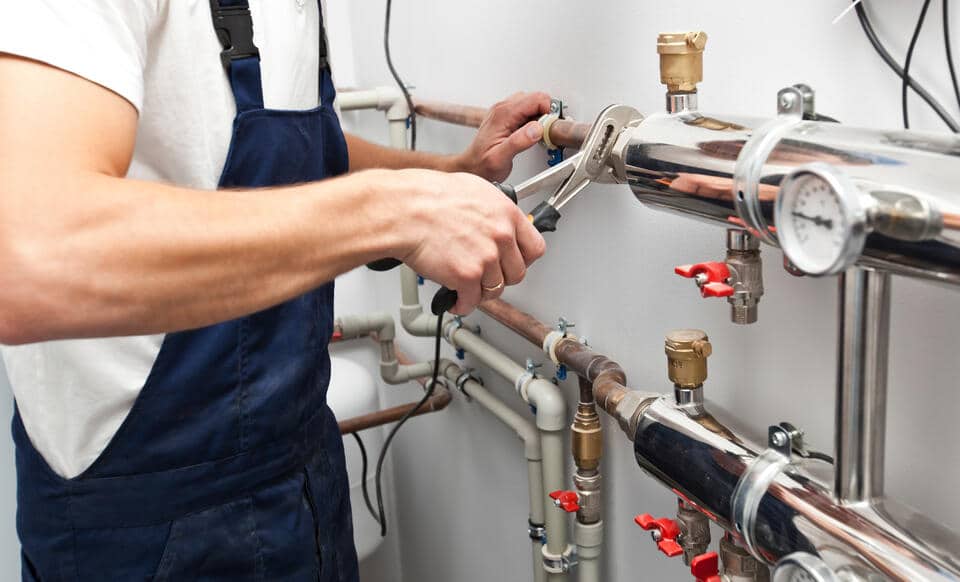
Water pipes can vibrate while water runs because changing flow forces, pressure fluctuations or moving valve parts transmit energy through the plumbing. Loose supports allow pipes to shake against framing, while faulty valves sometimes produce humming or rapid chatter. A sudden bang after a tap closes suggests a different problem: water hammer. The timing, location and character of the sound help narrow the possibilities. Mild movement does not necessarily signal damage, but persistent shaking, leaks or abrupt changes in pressure deserve closer attention.
How Running Water Produces Movement and Noise
Water moving through a supply line exerts forces on bends, fittings and valves. Those forces can change as someone opens a tap, adjusts a mixer or starts an appliance. If a component responds to those changing forces, it may oscillate and transfer movement into neighbouring piping. Pipe supports normally limit that movement. However, an inadequately restrained line can touch a joist, wall panel or another pipe and produce an audible rattle.
Not every sound means the pipe itself vibrates. A valve may hum internally while its sound travels along otherwise secure piping. Similarly, a small amount of movement during flow can occur without causing damage. The important distinction concerns sustained, noticeable shaking or repeated contact with surrounding materials.
Flow velocity also matters. A partly closed valve can accelerate water through a narrow opening and create changing forces on its internal parts. That effect differs from a loose pipe striking wood. A vibrating fixture can send sound along connected metal piping, making the original source difficult to locate.
Common Causes of Vibrating Water Pipes
Several mechanical faults can create similar noises, but each tends to respond to particular operating conditions. Identifying the component involved matters more than choosing a repair based on the sound alone.
Loose Brackets and Contact With Framing
A loose clip, missing support or long unsupported section gives water supply piping room to move. Even modest fluctuations in flow may then make the line tap against timber, drywall or nearby plumbing. The sound can travel through framing, so a rattle heard upstairs may originate in a basement ceiling.
Copper piping generally needs suitable supports that prevent unwanted contact while accommodating temperature movement. PEX piping also needs support appropriate to its flexibility and installation. Tightening every clamp as firmly as possible can create new problems, particularly where hot pipes must expand. A professional can select supports and protective contact points that suit the material and location.
High or Unstable Water Pressure
Excessive supply pressure can increase the forces acting on valves and fittings. However, a pressure fluctuation or unstable control device may cause noise even when ordinary tap flow seems normal. Some households notice humming at several fixtures; others hear it only when a particular valve operates within a sensitive flow range.
A pressure-reducing valve, where installed, regulates incoming supply pressure. If it malfunctions or oscillates, the resulting sound may travel throughout the building. A plumber can compare pressure readings under appropriate conditions and inspect relevant controls. Noise alone cannot establish that municipal pressure exceeds a particular value, and acceptable arrangements depend on the system and local requirements.
Pressure can vary as other fixtures open, municipal supply conditions shift or well equipment cycles. A reading taken while every tap remains closed may not capture a problem that appears during flow. Consequently, a useful assessment compares symptoms with measurements under the conditions that reproduce the noise.
Worn Faucet Cartridges and Restricted Valves
A faucet cartridge controls flow inside a tap. Wear, loose internal parts or certain flow positions can make components vibrate against one another, producing a whistle, buzz or chatter. If the noise appears only when someone opens one tap halfway, that operating pattern makes the faucet a reasonable place to investigate.
Partially closed shut-off valves may also create restricted flow and unstable conditions. Nevertheless, opening a valve fully will not correct every underlying fault. Homeowners should avoid forcing stiff controls, because old valve stems and seals may leak after disturbance. Identifying the actual component prevents unnecessary replacement of sound pipes.
Toilet Fill Valves and Appliance Inlets
A toilet that hums while its tank refills may have a worn or unstable fill valve. The noise often changes as the tank approaches its normal level. When the sound stops with refilling, the toilet becomes a useful starting point for inspection, although vibration can still travel from elsewhere.
Washing machines and dishwashers use electrically controlled inlet valves. Their opening and closing may create short bursts of noise, while restricted or faulty components can chatter during filling. Because these appliances involve electricity and pressurised water, homeowners should limit their checks to ordinary operation and visible conditions.
Pressure Pumps and Private Wells
Homes with private wells may experience pipe vibration when a pressure pump cycles or a control component operates irregularly. Unusual switching patterns, vibration near the pump and changes in delivered flow provide valuable clues. Pump noise can also travel into attached supply piping. Electrical controls, pressure tanks and pump adjustments require competent assessment rather than experimental adjustments by occupants. Record the pump's operating pattern before arranging inspection.
What the Sound and Timing Can Reveal
Descriptions such as rattling, humming and banging help separate possibilities, but no single sound proves one cause. Record what happens immediately before the noise, where it seems loudest and whether a fixture's position changes it.
- Steady humming: A regulating device, faucet component or pump may vibrate throughout sustained flow. Note whether several fixtures trigger the same sound.
- Rapid rattling: A loose pipe may strike its surroundings, or a valve may chatter internally. Accessible movement can help distinguish them.
- Whistling or buzzing: Flow through a restricted valve or worn cartridge may generate a higher-pitched sound, especially at particular tap settings.
- Single sharp bang: A quick closure may produce a pressure surge rather than the ongoing oscillation associated with continuous vibration.
Sound can travel along rigid pipes and through building materials. Therefore, the loudest room does not always contain the faulty component. A change in noise when another fixture runs offers a clue, not a diagnosis.
Continuous Vibration Is Not the Same as Water Hammer
Continuous vibration usually accompanies ongoing flow: a tap runs, a component oscillates and the sound persists. Water hammer describes a transient pressure surge when moving water slows or changes direction rapidly. Fast-closing valves, including some appliance valves, can produce a knock when they interrupt flow. Several rapid operating cycles may create repeated bangs, but those impacts still differ from a sustained hum.
A plumber may recommend a correctly positioned water hammer arrestor when rapid valve closure causes the disturbance. Other situations require attention to pressure, pipe restraint or equipment operation. Installing an arrestor without identifying the mechanism may leave a vibrating cartridge or loose bracket completely unchanged. Persistent heavy banging warrants assessment because repeated forces can stress fittings and supports.
Why Hot-Water Pipes Sometimes Make Different Noises
Heat changes pipe dimensions. As hot water enters a cool supply line, the material expands and may slide slightly through a support or touch framing. Such movement often creates ticking or clicking during warming and cooling rather than a continuous buzz throughout flow.
Copper and PEX respond differently to temperature changes and support arrangements, so their noises need not sound alike. Poorly positioned holes or tight contact points can amplify movement in either installation. During colder Canadian months, larger temperature differences may make expansion noises more noticeable. However, cold weather alone does not explain sustained shaking; a valve, pressure fluctuation or unsupported section may still be responsible.
How Homeowners Can Narrow Down the Source Safely
Simple observations can make a professional visit more productive without exposing anyone to pressurised plumbing or concealed electrical wiring. Change only normal fixture operating settings, and stop if you notice a leak or unsafe condition.
- Compare fixtures: Run one tap at a time. Noise from every outlet suggests a shared component or supply condition; one noisy tap suggests a local issue.
- Separate hot and cold: Where controls allow, check each supply independently. A hot-only sound can point towards temperature movement or a component on that branch.
- Watch toilet refilling: Listen after a flush and notice whether the sound changes before the tank stops filling. Avoid removing valve parts.
- Observe appliances: Note whether rattling starts during filling, continues through operation or occurs precisely when an inlet valve closes.
- Inspect accessible areas: From a safe position, look for moving exposed pipes, loose supports, moisture or contact with framing. Do not handle shaking pipes.
Keep a short record of the affected fixture, sound, duration and any changes in flow. If water appears around electrical equipment, avoid the area and seek appropriate urgent assistance. Never cut into walls or adjust pressure devices to investigate a noise.
How Professionals Diagnose and Correct Vibration
A plumber will normally start with the operating pattern, accessible supply piping and the fixtures linked to the noise. Depending on the findings, the assessment may include pressure testing, checking valve operation or inspecting supports near bends and branch connections. A residential plumbing service can also investigate sound that appears to originate inside a finished wall without assuming the wall itself contains the fault.
The remedy follows the cause. A loose line may need correctly spaced supports or separation from framing; a deteriorated fill valve may need repair or replacement. Unstable pressure may call for pressure-control assessment, while repeated closure impacts may require a targeted water hammer solution. Pump-related noise calls for examination of the appropriate well equipment and controls. Replacing random sections of piping rarely makes sense before identifying the mechanism.
Access also affects the repair plan. An exposed basement run allows direct inspection of clips and contact points, while concealed piping may demand more careful localisation. Professionals should investigate accessible fixtures and shared controls first, rather than assuming that a noisy wall requires immediate demolition.
Warning Signs, Damage Risks and Prevention
Occasional ticking as pipes warm may be harmless, and mild sounds can reflect normal component movement. Persistent contact, however, can wear support points or place additional strain on connections over time. Vibration alone does not prove that a leak will develop.
Arrange prompt professional attention when you notice:
- Visible moisture or dripping near a noisy connection, especially if the leak continues after a fixture stops.
- Strong shaking or repeated banging that affects several parts of the plumbing or grows noticeably louder.
- Abrupt pressure changes combined with noise, poor fixture performance or unusual pump cycling.
- Damaged supports or exposed movement that allow a supply line to strike framing repeatedly.
If a pipe leaks heavily, use the home's main water shut-off only if you can reach and operate it safely, then seek urgent help. Routine inspections of accessible supports and timely attention to unusual valve behaviour can prevent minor issues from progressing. Avoid tightening hidden connections or changing equipment settings without appropriate knowledge.
Frequently Asked Questions
Can vibrating water pipes eventually cause a leak?
Persistent, forceful movement can place extra stress on joints or let pipes rub against surrounding materials. However, ordinary minor movement does not automatically lead to leakage. Check accessible areas for moisture and note any worsening rattling. Ask a plumber to inspect repeated impacts, worn supports or suspicious connections before damage progresses.
Why do pipes vibrate only when one tap runs?
A single affected tap often points towards its cartridge, shut-off valve or nearby unsupported pipe. Different tap positions change the flow and may reveal an unstable component. Compare the sound at several opening positions without forcing the controls. A technician can check the local assembly if the noise persists.
Why do water pipes make noise when a toilet refills?
The fill valve opens after flushing and controls water entering the tank. Worn internal parts may hum or chatter, especially as refilling nears completion. Observe whether the noise ends when the tank fills. Persistent sounds may also involve pressure or nearby piping, so the timing alone cannot confirm a faulty valve.
Can excessive water pressure make household pipes shake?
High pressure can increase forces on fixtures and make weaknesses in valves or supports more noticeable. Fluctuating pressure may also create noise without consistently high readings at every outlet. A plumber can measure conditions and inspect pressure controls. Homeowners should avoid altering regulator settings merely because a pipe hums.
What is the difference between water hammer and pipe vibration?
Water hammer typically creates a sudden knock as water slows rapidly, often when a valve closes. Continuous pipe vibration produces sound while water keeps flowing. Repeated appliance cycles can make hammering seem frequent, but the timing still matters. Different mechanisms require different remedies, so an arrestor will not correct every hum.
Why do hot-water pipes make more noise than cold-water pipes?
Hot water causes supply pipes to expand. Contact with framing or tight supports can then create ticking or clicking as the material moves. This differs from ongoing vibration during steady flow. Compare noises during warming and cooling, and seek assessment if severe shaking or leaking accompanies those ordinary temperature changes.
Can loose pipe brackets cause vibration inside a wall?
Yes. A missing or loose support can allow a pipe to knock against framing when flow conditions change. Structural materials can carry the sound far from its source. Avoid opening finished walls solely to investigate. A plumber can check accessible sections and decide whether further inspection is justified by the symptoms.
Why do pipes hum when a washing machine fills?
The machine's inlet valve controls incoming water and may transmit noise into connected piping. A worn valve, pressure fluctuation or loose supply line can contribute to humming. Notice whether the sound occurs during filling or just at shut-off. Avoid dismantling the machine or investigating connections near electrical components.
Can a faulty pressure-reducing valve create a vibrating sound?
Yes. An unstable pressure-reducing valve may oscillate during certain flow conditions and transmit humming through household plumbing. However, a similar sound can originate from another valve or from inadequately supported pipes. Pressure measurements and component checks help distinguish those causes. Do not adjust or replace the regulator based on sound alone.
When should homeowners contact a plumber about vibrating pipes?
Request an assessment when noise persists, grows louder, accompanies pressure changes or appears with visible moisture. Sudden heavy banging and strong pipe movement also deserve attention. For an active major leak, shut off the main supply if safe and arrange urgent help. Mild isolated ticking without other symptoms may simply warrant observation.
Conclusion
Water pipes vibrate for different reasons, from loose restraints and worn valves to unstable pressure and pump operation. A sharp bang at shut-off points towards a different mechanism than humming during steady flow. Note which fixtures trigger the noise and inspect only readily accessible areas. If the sound persists, intensifies or accompanies leaks or unusual pressure, professional testing can identify the fault and direct the repair towards its actual cause.
← Back to Blog


