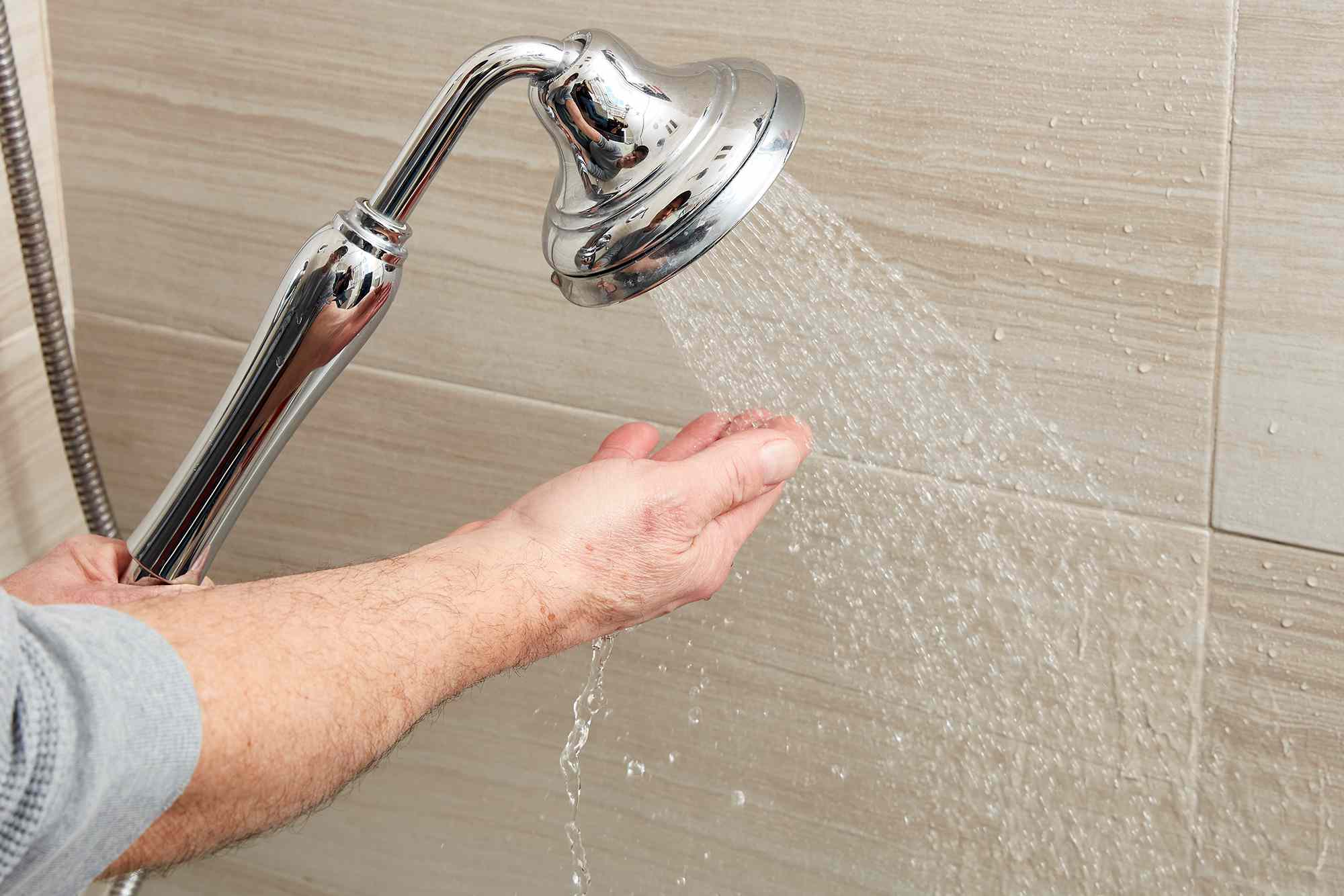
A shower can suddenly turn cold or unexpectedly hot when household water pressure changes, a mixing valve stops regulating flow correctly, or the water heater delivers inconsistent hot water. Someone flushing a toilet may disturb the balance between hot and cold supplies, while a worn cartridge or struggling heater can produce similar symptoms. The timing matters: an immediate change during appliance use suggests a different problem from water that gradually cools after several minutes. Identifying that pattern helps narrow the cause before anyone attempts repairs.
How Hot and Cold Water Become Unstable
A shower valve combines separate hot and cold supplies to produce the temperature you select. Its performance depends on incoming temperatures, flow rates, supply pressures and the condition of its internal controls.
If either supply suddenly loses pressure, a conventional mixing arrangement may deliver a different proportion of hot and cold water. For example, reduced cold flow can make the shower hotter, while reduced hot flow can make it colder. Conversely, if the heater itself sends cooler water, even a properly functioning pressure-balancing valve may not maintain the original temperature.
Gradual cooling often points towards declining hot-water availability. Rapid alternation, especially when other taps operate, more strongly suggests mixing changes, unusual heater cycling or pressure disturbances. These patterns provide clues rather than proof of a particular fault.
Why Other Household Fixtures Affect Shower Temperature
Toilets, washing machines, taps and other showers share parts of a home's water distribution network. Their demands can change the pressure available at the shower, particularly where pipes have limited capacity.
Toilet Flushing and Sudden Heat Surges
A toilet usually draws cold water when its tank refills. In some older or poorly compensated shower arrangements, that demand temporarily reduces cold flow at the mixing valve. The proportion of hot water rises, and the shower may become unexpectedly hot.
However, a correctly functioning pressure-balancing valve should compensate for many ordinary supply pressure changes. Flushing does not always cause a hot surge: the result depends on valve design, piping layout and which supply experiences the greater pressure drop.
Washing Machines and Simultaneous Showers
A washing machine may draw hot water, cold water or both, depending on its cycle and connections. Dishwashers and kitchen taps also change demand. When another fixture draws hot water, the shower may cool; when it draws cold water, some mixers may produce a hotter stream.
Look for a repeatable connection between temperature changes and household activity. If several fixtures show unusually weak flow, supply restrictions or broader pressure problems may also deserve attention.
The Difference Between Shower Mixing Valves
Temperature controls do more than move a handle from cold to hot. Some valves respond automatically to changes in pressure or temperature, although their protective mechanisms have operating limits.
Pressure-Balancing Valves
A pressure-balancing valve responds to differences between hot and cold supply pressures. Its mechanism adjusts flow to reduce sudden changes in the mixed-water proportion when another fixture starts drawing water.
However, it does not directly measure and correct every change in hot-water temperature. If the water heater begins supplying lukewarm water, pressure compensation alone cannot restore the original warmth. Internal sticking or inadequate supply conditions may also interfere with operation.
Thermostatic Mixing Valves
A thermostatic valve responds to changes in mixed-water temperature and adjusts the balance of the supplies within its design limits. It can offer more direct temperature regulation when inlet conditions vary.
Nevertheless, insufficient hot-water temperature, restricted flow, damaged components or unsuitable installation can defeat its intended performance. Neither type guarantees protection against every sudden surge. A qualified plumber can identify the existing design and check whether its protective functions operate correctly.
Could a Faulty Shower Cartridge Be Responsible?
A cartridge sits inside many shower valves and controls how water moves through the fixture. Depending on the design, it may also contain balancing or temperature-regulating components.
Mineral deposits, debris, worn seals or internal damage can obstruct its movement. Consequently, the handle might respond unpredictably, the temperature might drift, or the shower might deliver noticeably less water on one setting.
A problem confined to one shower makes its cartridge or mixing valve worth inspecting, especially when nearby taps remain stable. Still, a restriction in the branch supply could create similar symptoms. Replacement parts must match the valve model, and opening pressurised fittings without proper isolation and expertise can cause leaks or injury.
When a Storage Water Heater Cannot Keep Up
A conventional tank stores heated water and replaces it with colder incoming water as household fixtures draw from it. Its usable hot-water supply depends on storage capacity, operating temperature, recovery rate and demand.
Gradual Cooling After Several Minutes
If a shower starts comfortably hot and steadily cools, the household may be using hot water faster than the heater can replenish it. Consecutive showers, laundry and kitchen use can exhaust available stored heat. In that situation, waiting for recovery may temporarily restore normal performance.
Repeated early cooling with modest demand can indicate a different issue. An electric heater may have a faulty heating element or thermostat; a gas-fired model may have burner or control problems. Deteriorating internal parts can also affect delivery. These issues need suitable professional assessment rather than improvised adjustments.
Sediment, Settings and Hot-Water Distribution
Sediment accumulation can affect some storage heaters, although it does not automatically explain abrupt temperature swings. A defective mixing device elsewhere in the hot-water system may also alter delivery to multiple fixtures.
Do not simply raise the heater's temperature to compensate for cold showers. Hot-water storage and safe delivery temperatures involve separate considerations, including scald protection and applicable local requirements. If several taps lose hot water together, investigate the central system before replacing the shower valve.
Why Tankless Heaters Sometimes Alternate Hot and Cold
Tankless units heat water as it flows through the equipment. Their controls need suitable flow and sufficient heating capacity to maintain the selected output temperature.
Minimum Flow and Heater Cycling
Some models need a minimum hot-water flow to activate and a sufficient continuing flow to stay operating. A low-flow shower, restricted inlet filter or heavily mixed outlet can sometimes reduce demand below that operating threshold. The heater may shut down and restart, causing uncomfortable fluctuations.
Simultaneous use can also exceed the heater's available heating capacity, especially with very cold incoming water. The resulting decline in delivered temperature differs from a faulty shower cartridge. Check the heater display for error messages, but leave internal gas, electrical and combustion components alone.
The Cold-Water Sandwich Effect
After someone stops and quickly restarts hot-water use, warm water remaining in the pipe may arrive first. A short cooler segment can follow before the heater produces fresh hot water. This temporary interruption is often called a cold-water sandwich.
It does not affect every tankless installation, and continuous, prolonged cycling requires a different investigation. A qualified technician can assess flow conditions, maintenance needs and any compatible equipment options without assuming the heater needs replacement.
Restrictions and Canadian Seasonal Conditions
Flow restrictions sometimes alter the hot-to-cold balance or interfere with a heater's operating requirements. Other restrictions merely weaken the shower without changing its temperature.
- Showerhead deposits: Blocked spray openings may reduce total flow without identifying a fault inside the valve.
- Valve debris: Sediment or mineral buildup can restrict one inlet or prevent internal controls from moving freely.
- Supply piping: Corrosion, partially closed service valves or deteriorating pipes may limit available flow.
- Water hardness: Mineral deposits vary between Canadian water supplies; not every household has hard water.
During Canadian winters, colder incoming water increases the heat required to deliver the same shower temperature. A storage heater may provide less usable shower time, while a tankless unit may deliver less hot water at a chosen temperature under heavy demand. Seasonal changes do not, however, establish that the equipment has failed.
Why an Unexpected Hot Surge Needs Attention
Sudden increases in shower temperature deserve particular caution because sufficiently hot water can scald skin. A reduction in cold supply pressure, malfunctioning mixing mechanism or incorrect control setting may increase the proportion of hot water unexpectedly.
If the shower produces unpredictable, dangerously hot water, stop using it until a qualified professional checks the cause. Keep children, older adults and people with limited mobility away from the affected fixture in the meantime. Do not defeat temperature-limiting devices or attempt unsafe heater adjustments to compensate for inconsistent operation.
Safe Checks That Help Narrow the Cause
Homeowners can record symptoms without dismantling valves or exposing themselves to hot water, gas or electrical components. These observations help distinguish a local fixture problem from a broader household issue.
- Compare fixtures. If only one shower fluctuates, its mixing components or branch supplies deserve attention. If several taps change together, examine the common hot-water source or distribution system.
- Note the timing. Immediate changes alongside flushing suggest pressure interactions; cooling after a lengthy shower suggests hot-water depletion.
- Watch flow changes. A weaker spray accompanying temperature variation may indicate supply restrictions, valve behaviour or changing household demand.
- Check visible equipment information. Record water heater error codes and accessible display readings without opening covers or adjusting safety controls.
- Look for external leaks. Visible dampness around accessible pipes or equipment warrants investigation, particularly alongside declining pressure.
- Observe seasonal patterns. Compare performance during cold weather and periods of simultaneous hot-water use.
Avoid deliberately provoking a dangerous hot surge as a test. Symptoms may overlap, and these checks cannot confirm the condition of concealed components.
Repairs Should Match the Actual Problem
Where a defective shower cartridge causes unstable mixing, a compatible replacement or professional valve service may restore normal operation. If the pressure-balancing mechanism sticks, inspection can establish whether cleaning, servicing or replacement suits the fixture.
A thermostatic valve may need repair or correct calibration when its controls no longer respond properly. Supply restrictions call for locating the obstruction rather than replacing unrelated equipment. Abnormal household pressure changes may require assessment of pipework, distribution arrangements or pressure-control devices.
For storage heaters, the remedy depends on whether the issue involves available capacity, heating components or another delivery fault. Tankless systems may need maintenance, flow corrections or further diagnosis of operating errors. No single repair addresses every cause of fluctuating shower temperature.
Before authorising any replacement, ask which observations link the suspected part to the symptom. An otherwise healthy heater will not correct a worn shower valve, and a new cartridge cannot increase a heater’s limited capacity.
When to Request Professional Plumbing Assistance
Seek prompt assessment when water becomes dangerously hot, temperature changes persist, several fixtures lose hot water, or visible leaks accompany unusual pressure behaviour. Recurrent valve problems and water heater faults also need qualified attention.
A residential plumbing service can examine shower controls, measure supply conditions and distinguish a fixture fault from a central distribution issue. Gas-fired or electrically complex water heater problems may require an appropriately qualified technician. Repair decisions should reflect the equipment type, local requirements and observed symptoms rather than guesswork.
Frequently Asked Questions
Why Does My Shower Suddenly Turn Cold After a Few Minutes?
A storage water heater may run low on usable hot water during prolonged or repeated use. Alternatively, a tankless heater may cycle because flow falls below its operating requirement. If several taps cool simultaneously, investigate the hot-water source. Sudden isolated bursts may instead suggest valve or pressure problems.
Why Does Flushing the Toilet Change My Shower Temperature?
Toilet refilling draws cold water and may lower pressure on the shower's cold supply. Some mixing arrangements then allow a greater proportion of hot water through, creating a temperature surge. A functioning pressure-balancing valve reduces many such effects, although performance depends on the installation and available supply conditions.
Can Low Water Pressure Cause Shower Temperature Fluctuations?
Yes, particularly when pressure falls more on one supply than the other. Unequal hot and cold flows can change the mixed temperature. Low pressure can also affect some water heaters or valve mechanisms. Observe whether the flow weakens at other fixtures, then have persistent or unexplained changes assessed.
How Do I Know if My Shower Mixing Valve Is Faulty?
Possible signs include unpredictable temperature changes, a handle that responds inconsistently or unstable flow confined to one shower. Mineral deposits, worn components or faulty balancing mechanisms may contribute. However, supply restrictions can produce similar symptoms. A plumber can identify the valve design and assess it without assuming immediate replacement.
Why Does a Tankless Heater Alternate Between Hot and Cold?
Some tankless heaters stop heating when water flow falls below their required operating threshold. Restricted filters, low fixture demand or changing flow can then trigger cycling. Heavy simultaneous demand may also exceed available heating capacity. Check for display errors and arrange suitable servicing if temperature changes continue during normal use.
Can a Faulty Shower Cartridge Affect Water Temperature?
Yes. Depending on the valve design, a cartridge controls mixing, flow or pressure compensation. Wear, debris and mineral deposits may prevent its internal parts from moving correctly. Temperature drift limited to one shower can support that possibility, but a matching replacement requires identification of the actual valve model.
Why Does My Shower Suddenly Become Too Hot?
A sudden reduction in cold-water flow can increase the hot-water proportion at certain mixing valves. Damaged temperature controls or incorrect adjustments may also contribute. Because unexpected hot surges can cause scalding, stop using a dangerously unpredictable shower and arrange professional assessment before allowing vulnerable household members to use it.
Can Canadian Winters Affect Shower Hot-Water Performance?
Colder incoming water makes a heater work harder to reach the selected output temperature. Under heavy demand, storage heaters may exhaust available hot water sooner, while some tankless heaters deliver a lower flow at the desired temperature. These effects depend on equipment capacity and do not automatically indicate a fault.
Why Does Only One Shower Have Temperature Problems?
A problem confined to one shower often points towards its cartridge, mixing valve or local supply pipes rather than the central heater. However, comparing nearby taps provides only a preliminary clue. Record whether flow also changes and whether another fixture operates at the same time before seeking a diagnosis.
When Should I Contact a Plumber About Unstable Temperature?
Arrange an assessment if the shower produces unsafe hot surges, repeatedly turns cold, leaks or changes temperature despite normal household demand. Several affected fixtures may indicate broader pressure or heating problems. A qualified plumber can assess mixing components and distribution piping, while specialised heater faults may require another qualified technician.
Conclusion
Shower temperature changes usually reflect an unstable balance between hot and cold supplies, a malfunctioning mixing control or inconsistent water heater delivery. Timing provides an especially useful clue: changes during toilet flushing suggest pressure interactions, while gradual cooling may reveal limited hot-water availability. Compare other fixtures, note flow changes and check visible heater information without opening equipment. Persistent faults merit professional assessment, and dangerous hot-water surges call for stopping use until someone identifies the cause.
← Back to Blog


