Published: Sep 25, 2026 • By Canadian Rooter
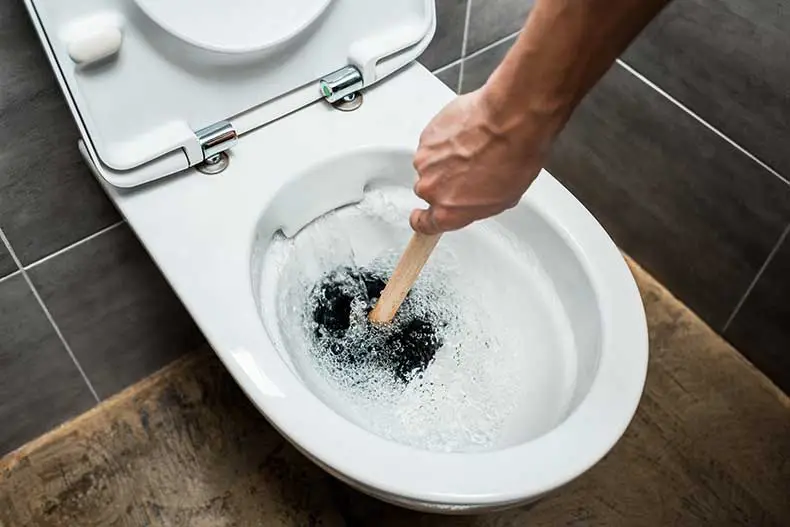
A toilet keeps clogging when waste repeatedly meets resistance in its trap or drain, or when a weak flush fails to move it through. Excess paper, wipes, a lodged object, damaged drainage, or too little water from the tank can contribute. A plunger may clear the immediate blockage while leaving the underlying restriction in place. Notice when clogs return, what the bowl does during a flush, and whether other fixtures show trouble. Those details help separate a local toilet problem from a wider drainage concern.
How a Recurring Clog Develops
A narrowing in the toilet or connected drain can disrupt the flow.
A Partial Obstruction Can Hide
The trap holds water between flushes, which helps keep drain gases from entering the room. Its curved shape also creates a place where an object may catch. The connected pipe must carry each load onward; a narrow passage at either point can interrupt that movement.
A small object may lodge in the trap without sealing it completely. Paper and waste can catch against that object during one flush, while a lighter load passes during another. Similarly, buildup or damage inside a drain may leave enough space for water but not enough for a larger load.
Plunging can shift soft material or open a temporary channel. It cannot reliably remove a trapped object or correct damaged pipework.
Weak Flushing Can Compound the Problem
The tank must deliver enough water quickly to carry waste through the bowl and trap. If the tank starts underfilled, the flapper closes too early, or the handle and chain fail to lift the seal properly, the flush may leave material behind.
A weak flush does not necessarily mean that a solid blockage already exists. Watch whether the bowl clears sluggishly from the start or rises sharply before draining. The first pattern may point towards inadequate water delivery; the second raises more concern about an obstruction.
Identify What Keeps Entering the Toilet
Before investigating pipes, consider what the household flushes.
Paper, Wipes, and Other Products
A large bundle of toilet paper may catch in the trap, especially if an earlier partial obstruction already narrows the passage. Encourage smaller amounts per flush where practical.
Keep these items out of the toilet:
- Wipes, including products marketed as flushable.
- Hygiene products, cotton pads, and dental floss.
- Paper towels, tissues, and cleaning cloths.
- Nappies, packaging, and other household rubbish.
These materials may resist breaking apart or catch on bends and existing rough spots. Place them in a bin instead.
A Foreign Object in the Trap
A small toy, cap, cleaning attachment, or other solid object can lodge where you cannot see it. A plunger might move water past it temporarily while the object remains.
If you see an object near the bowl outlet and can reach it safely with gloves, lift it out without pushing it deeper. Do not probe blindly with wire, bend a hanger into the trap, or apply enough force to scratch porcelain.
Check the Pattern, Not Just the Bowl
The timing and behaviour of clogs can indicate where to look next.
Frequency and Response to Plunging
Consider whether the toilet blocks after ordinary use or only when several people use it close together. The timing can reveal that water never fully clears the trap between flushes. If the bowl sits unusually high even after it empties, compare that level with its normal resting level before making another attempt.
Ask when the blockage returns: immediately, after several normal uses, or only with larger loads. An immediate return may suggest that a restriction remains close to the toilet. A problem that follows heavy paper use may involve load size, reduced flushing force, or a partial obstruction.
After plunging, observe whether the bowl drains freely during ordinary use. If water still rises, gurgles, or drains slowly, do not call the problem resolved.
If the tank now releases less water, restoring normal tank performance may matter as much as clearing the drain. Avoid repeated test flushes while the bowl remains high.
One Toilet or Several Fixtures
In a home with more than one bathroom, ask whether the second toilet behaves normally. In a flat, note trouble in fixtures within your unit and report any common-area drainage concern through the building contact. Avoid drawing conclusions about neighbouring units without reliable information; the aim is to describe the fixtures you can actually observe.
A single affected toilet may have a trap obstruction or its own flushing problem. Look for a pattern elsewhere:
- Does a nearby shower, bath, or basin drain slowly?
- Does another fixture gurgle when the toilet flushes?
- Does wastewater appear in a lower fixture or floor drain?
- Do persistent sewage odours accompany the drainage problem?
These clues justify wider assessment, particularly if several occur together. If sewage backs up, stop using affected fixtures and seek prompt help.
Respond Safely to an Immediate Clog
Preventing an overflow comes first.
Stop Rising Water
If bowl water rises towards the rim, do not flush again. If you can safely reach the tank, you may stop the flush by closing its flapper or other seal. You can also close the toilet's supply valve if it turns easily; it usually sits on the line near the toilet. Never force a stiff or leaking valve.
If sewage appears in another fixture, limit use of the connected plumbing and contact a plumber or the property's urgent maintenance contact. Avoid handling contaminated water without suitable protection.
Use the Right Plunger
A flange-style toilet plunger can seal the bowl outlet more effectively than a flat sink plunger. If the bowl has room below the rim, position the plunger over the opening with enough water to cover its head. Begin gently to reduce splashing, then use steady strokes while maintaining the seal. Lift it carefully and allow the bowl to drain.
If water falls to a normal level, assess the next flush only when you can do so without risking an overflow. Stop if plunging produces no meaningful change, the bowl refills high, or the problem returns quickly.
Know When to Leave the Tool Aside
A toilet auger may reach a local obstruction that a plunger cannot dislodge. Use only a suitable toilet auger if you know how to operate it gently and the bowl remains safe to work around. A solid object, firm resistance, unfamiliar tool, or repeated failure calls for a plumber rather than more force.
Never mix drain chemicals or pour another product into a bowl that already contains cleaner. Chemicals can create exposure risks and may splash during plunging or later repairs. Avoid sharp improvised tools and repeated flushing to test a blocked bowl.
Inspect Flushing Performance After Drainage Returns
Once the bowl drains safely, check whether the toilet delivers a normal flush.
Tank Level and Release
Carefully lift the tank lid and place it securely. After the fill valve stops, compare the water level with any mark inside the tank. Toilet designs differ, so follow the fixture's intended level instead of raising the float arbitrarily.
During a safe flush, watch the handle, chain, and flapper or other flush seal. The seal should lift enough to release the intended volume. Excess chain slack or a sticking handle may limit movement; a seal that closes prematurely may shorten the flush.
If you cannot identify the mechanism, or adjustment makes the toilet run continuously, stop and arrange help. Do not force brittle components.
Bowl Outlets and Slow Clearing
Some toilets direct water through rim openings, a siphon jet, or both. Mineral deposits can restrict those openings and alter the flush pattern. Look for uneven rinsing and buildup, but do not scratch the surfaces or insert hard tools into concealed passages.
If the tank seems to deliver adequate water but the bowl repeatedly rises before draining, return your attention to the exit path. If the bowl clears weakly without rising, examine water delivery and possible deposits.
When the Drain Needs Broader Assessment
Worsening symptoms or trouble at other fixtures make broader checks more useful.
What a Plumber May Investigate
Further investigation may include removing the toilet to retrieve a lodged object or accessing an appropriate drain opening to clear a restriction. Those steps depend on the fixture and the evidence at hand. Ask what the inspection found and whether the work addresses the pattern or only the current blockage.
A plumber may first check tank performance and the toilet trap, then assess the connected drain if the symptoms warrant it. They may determine whether an object remains inside the toilet, whether a local obstruction needs removal, or whether flow slows farther downstream.
If repeated clogs accompany slow drains elsewhere, sewage backup, or continuing gurgling, professional plumbing services Toronto can assess the affected fixtures and the shared drain route. Further tools may help locate a stubborn restriction, but recurring clogs alone do not automatically call for a drain camera, a new toilet, or major pipe work.
Mention any suspected object or drain chemical so the plumber can choose a safe approach. Stop troubleshooting if the shutoff leaks, wastewater spreads, or the toilet shifts or cracks.
When to Act Promptly
A full bowl, sewage rising into another fixture, or wastewater escaping onto the floor needs prompt attention. Stop using nearby fixtures that may feed the affected drain. If you cannot operate a supply valve safely, leave it alone and contact the appropriate maintenance or emergency contact.
Recurring clogs without an immediate overflow still deserve timely attention. The restriction may remain partly open, which can make a successful flush misleading.
Prevent Avoidable Clogs and Report Recurrence
Routine habits cannot remove an existing obstruction or guarantee that a drain will stay clear.
Everyday Use and Observation
Keep a bin within reach for wipes, hygiene products, tissues, and other rubbish. Encourage sensible paper use and avoid sending a large wad through the trap at once. Notice when the flush weakens, water rises higher than usual, or the bowl takes longer to empty. Address those changes rather than making repeated flushing routine.
Clean accessible bowl outlets gently if mineral buildup appears. Maintain tank components according to the fixture's design and replace worn parts when appropriate. Even careful use cannot prevent every accidental object, worn seal, or drain defect, so treat recurring symptoms as a reason to investigate.
Information Tenants Should Share
Report repeated clogs to the landlord or property manager, especially when you need to plunge frequently or another fixture also drains poorly. Describe how often the clog returns, what the bowl does, whether plunging helps briefly, and whether you notice gurgling, odours, or backup. Give the date of the first episode if you know it.
Use the property's urgent contact process if sewage backs up or the bowl threatens to overflow. Before removing fittings or using an auger, follow any reporting arrangements that apply to your tenancy.
Frequently Asked Questions
Can flushable wipes cause repeated toilet clogs?
Yes. A wipe may pass the bowl but catch in the trap or farther along a drain, especially where another restriction already exists. Packaging claims do not guarantee that a particular plumbing system will handle it. Put wipes in a bin and report recurring clogs if changing disposal habits does not help.
Why does plunging help only for a short time?
The plunger may move waste or open a narrow channel while an object, buildup, or another restriction remains. Subsequent flushes can catch material at the same point. If the toilet blocks again despite appropriate use, avoid relying on repeated plunging and arrange an assessment of the toilet and drain.
Can a weak flush make a toilet clog repeatedly?
Yes. A tank with too little water or a flush seal that closes early may fail to carry waste through the trap. Check whether the tank reaches its intended level and whether it releases enough water. A rising bowl can also indicate a blockage, so do not assume weak flushing explains everything.
What does gurgling near a clogged toilet mean?
Gurgling suggests that water and air move unevenly through the drainage system. A local restriction, a shared drain problem, or another condition may cause it. Check whether nearby fixtures also drain slowly or back up. Persistent gurgling with repeated clogs calls for professional assessment, but sound alone cannot pinpoint the fault.
When should a plumber inspect repeated clogs?
Arrange an inspection when clogs return after sensible paper use and careful plunging, a suspected object remains in the trap, or other fixtures show symptoms. Seek prompt help for sewage backup, floor leakage, or a bowl that threatens to overflow. Explain the pattern rather than requesting a particular repair.
Can too much toilet paper cause recurring blockages?
Yes. Large bundles may lodge in the trap, particularly when the flush delivers too little water or another obstruction narrows the passage. Try smaller amounts per flush, but investigate if clogs continue with ordinary use. Changing paper habits will not remove a foreign object or repair a damaged drain.
Should I use a toilet auger myself?
A suitable toilet auger may help reach a local obstruction when a plunger fails. Use it only if you can operate it gently without forcing resistance or damaging the bowl. If you suspect a solid object, meet firm resistance, or see another fixture back up, leave further work to a plumber.
Do clogs in one toilet rule out a drain problem?
No. An obstruction may sit in that toilet's trap, but a shared drain problem can first appear at one fixture. Watch for slow drainage, gurgling, odours, or backup elsewhere. These signs strengthen the case for broader assessment without proving exactly where the restriction lies.
Should I flush again after the bowl water rises?
No. Another flush can add water faster than a blocked bowl can drain and cause an overflow. Wait for the level to fall, use a suitable plunger only when you have room below the rim, and seek help if water remains high. Never repeatedly flush to test a blockage.
What should a tenant report about recurring clogs?
Tell the landlord or property manager when clogs began, how often they return, whether plunging helps temporarily, and whether other fixtures gurgle or drain slowly. Mention any sewage odour, leakage, or backup. Use the urgent contact route when wastewater escapes or the toilet threatens to overflow.
Conclusion
Repeated clogs can result from unsuitable items, a lingering obstruction, weak flushing, or trouble farther along the drain. Clearing the bowl once does not establish that the cause has gone. Stop flushing when water rises, use a suitable plunger only when you can work without risking an overflow, and note whether other fixtures show symptoms. Arrange assessment when clogs return or wastewater backs up. Tenants should report the pattern clearly through their property's maintenance channel.
More posts: Back to Blog


