Published: Sep 25, 2026 • By Canadian Rooter
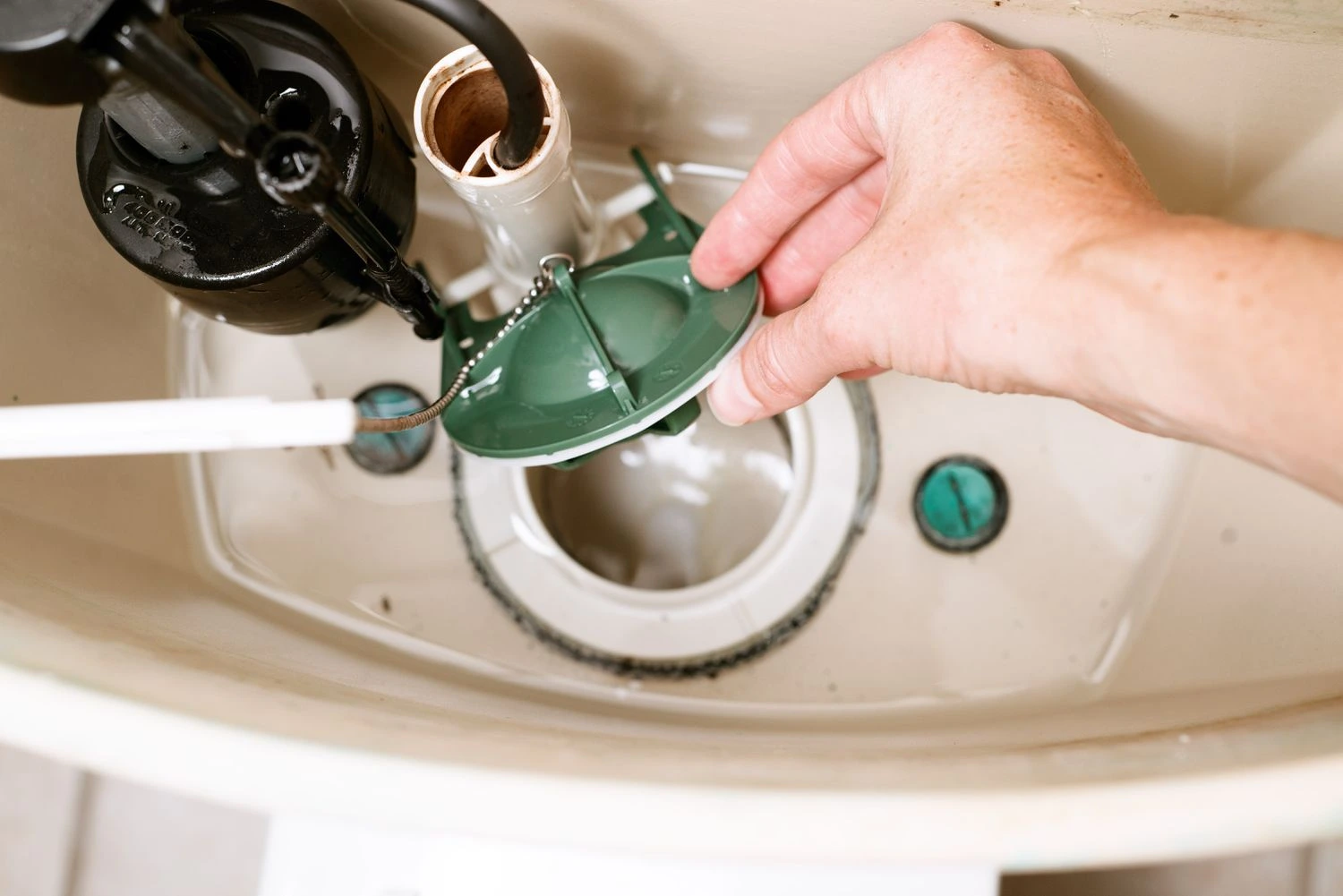
A toilet usually keeps running after flushing because its tank cannot stop filling or water keeps escaping into the bowl. A worn flush seal, tangled chain, incorrectly set float, or faulty fill valve may cause the problem. First, allow the tank its normal refill time: water should then stop. If the sound continues, returns later, or you see a steady trickle in the bowl, a simple observation can help you decide what to check and when to seek help.
How the Toilet Stops Running
A toilet works through two linked processes: releasing tank water for the flush and refilling the tank to a set level. Knowing where each process should end makes unusual sounds easier to interpret.
The Flush and Refill Cycle
When you press the handle, a chain lifts the flapper or another type of flush seal from the flush valve opening. Tank water enters the bowl. As the tank empties, the seal drops back onto its seat, closing that opening. Meanwhile, the falling water level lowers a float, which prompts the fill valve to admit fresh water.
A small refill tube directs some water towards the overflow tube to replenish the bowl. The rest fills the tank. As the float rises, the fill valve slows and closes. The tank should stop taking in water before the level reaches the top of the overflow tube.
Why Designs Differ
Not every toilet has a rubber flapper or a conventional handle. Some use a canister seal, a push button, or an enclosed fill valve with a sliding float. Look at the arrangement in your own tank before touching anything; never assume that a screw, clip, or rod serves the same purpose across models.
The overflow tube carries excess tank water towards the bowl if the water level climbs too high. The refill tube should feed water into that assembly as the tank fills, but its position matters. If its outlet sits too far down inside the overflow tube, it may contribute to unwanted draining on some designs.
Read the Pattern Before Touching Parts
Watch one complete flush with the tank lid in place first, then listen after the apparent refill ends.
Four Patterns Worth Noting
- Continuous running: The fill valve may remain open, or escaping tank water may keep triggering it. Check the water level and the flush seal before drawing conclusions.
- Intermittent refilling: A tank may slowly lose water into the bowl, causing the fill valve to reopen minutes or hours later. A small external leak or a fill valve issue can also affect the pattern.
- A visible bowl trickle: Water may pass a poor flush seal or enter through the overflow tube. The tank water level helps distinguish those routes.
- A tank that never reaches its usual level: The flush seal may leak continuously, the fill valve may supply water poorly, or another problem may limit filling.
For example, a defective fill valve can hiss while the tank fills, whereas water escaping through a flapper can make the valve run repeatedly even when that valve works as intended. Observe the level and the path of moving water together.
What the Water Level Suggests
After the tank has had time to refill, compare its water level with the top of the overflow tube. If water reaches the tube and spills into it, suspect an overly high float setting or a fill valve that fails to close. If the water remains below the overflow yet the toilet refills again later, water may be escaping past the flush seal.
Start With Safe Observations
If water appears on the floor, a fitting looks cracked, or the fixture feels unstable, stop and seek help before opening or moving anything.
Check Without Dismantling
Flush once and note how long the normal refill lasts. Listen near the tank after it falls quiet. Watch the bowl for a persistent thin stream, and check the floor around the base and supply connection for moisture. Avoid confusing condensation on the outside of a cold tank with a leak; wipe the surface and see whether fresh moisture returns from a specific joint.
If the toilet refills without another flush, note roughly when it happens. Intermittent operation often points towards gradual water loss, although observation alone cannot prove where it goes.
Locate the Shutoff Valve First
Find the small supply valve on the pipe or flexible line feeding the toilet, usually behind or beside its base. Before an adjustment, confirm that you can reach it safely. Turn it gently clockwise to close it if the valve operates normally; some valves use a short lever instead. Never force a seized or corroded valve.
After closing the valve, flush once to check whether the tank stops refilling. If the valve leaks, will not turn, or does not stop the supply, leave the tank components alone and arrange assistance.
Inspect the Tank in a Sensible Order
Once you can isolate the supply, lift the tank lid carefully and place it somewhere stable. Watch the mechanism during a flush, keeping hands clear of moving components.
Look at the Seal, Chain, and Handle
A flapper should settle evenly over the flush valve opening. If it curls, feels stiff, sits crooked, or catches on deposits, water can slip into the bowl. A chain pulled tight may hold the seal open; a long chain can bunch beneath it. For the handle to return freely, its arm must also move without sticking against the tank wall or lid.
With the supply off, you may gently free a trapped chain and check that the seal rests flat. If the design permits, leave enough slack for the seal to close without creating a loop that catches underneath.
Check the Float and Fill Valve
Next, observe the water level while the tank refills. If water flows into the overflow tube after the float reaches its usual position, the float may sit too high or the fill valve may fail to shut. Follow the fixture's instructions and make small changes; then allow a full refill and reassess.
If the float catches on another component, the valve runs despite a sensible water level, or supply flow remains weak, stop short of disassembling the valve. Sediment, wear, or a failing internal seal may require cleaning or replacement. Avoid force on old fittings and avoid chemical cleaners inside the tank, which can damage seals and other parts.
Inspect the Refill Tube
Check that the narrow refill tube stays securely attached and directs water into the overflow assembly during filling. It should follow the arrangement intended for that fixture, commonly with its outlet positioned above the overflow opening rather than pushed deep inside. Where the correct position remains unclear, seek the model's instructions or professional help.
Why Running Can Return Later
A quiet toilet may begin refilling long after a flush.
Slow Loss Into the Bowl
When a flush seal leaks slightly, tank water enters the bowl between flushes. Eventually the falling tank level lowers the float enough to reopen the fill valve. The toilet then refills and becomes quiet until the process repeats. Mineral buildup along the seal or its seat may create a gap, while a warped seal can cause the same effect.
You can sometimes check for a slow passage by adding a few drops of food colouring to the tank after it has filled, then leaving the toilet unused for a while. Colour appearing in the bowl suggests tank water is entering it. Avoid this check if colouring could stain porous surfaces, and do not use it as proof of which component failed. Flush afterwards so the colour does not sit in the tank.
Overflow and Supply Problems
A high float or failing fill valve creates a different route: fresh water enters the tank and spills down the overflow tube. That can produce steady running without a slowly falling tank level. In some cases, the valve also sticks intermittently.
If you cannot see the route clearly, close the toilet's shutoff valve when safe and report what you observed. Do not keep adjusting multiple components at once.
When to Stop and Arrange Help
A running toilet can waste water for as long as the fault persists and may increase the bill where metered usage affects charges.
Signs That Need Prompt Attention
Stop troubleshooting and contact a plumber, property manager, or building contact if you notice any of the following:
- Water reaches the floor, spreads near the supply line, or appears around the toilet base.
- The shutoff valve will not move normally, fails to stop water, or begins leaking when touched.
- The tank, bowl, supply fitting, or internal parts show cracks or significant damage.
- A chain or float adjustment fails, or running returns after a short improvement.
- A repair attempt increases the flow, loosens a connection, or makes the toilet unstable.
If water actively escapes, close the toilet's supply valve only if it operates easily and safely. Then follow the property's emergency contact procedure.
Repair, Replacement, and Tenancy
A plumber can identify whether the seal, flush valve seat, fill valve, or another part needs replacement. Replacement parts must match the toilet's design, and older connections may break under unnecessary force. Where an inspection suggests more than a simple adjustment, professional plumbing services Toronto can help assess the mechanism and repair it without guesswork.
Tenants should report continuing running, recurring refills, or signs of leakage to their landlord or property manager through the usual channel. Include when the fault began, whether water reaches the floor, and whether the shutoff works. Ask before replacing parts or taking apart fittings if your tenancy arrangements require reporting or authorisation. For an active leak, use the building's urgent reporting route promptly.
Reduce Recurrence Without Overpromising
Occasional checks can reveal a developing fault before it becomes persistent. They cannot guarantee that a seal or valve will never wear out.
Simple Habits That Help
After a flush, listen for the refill to end and glance at the bowl if you suspect a trickle. Periodically check for moisture around the supply connection and note whether the handle returns smoothly. If hard-water deposits appear around accessible tank parts, use gentle methods appropriate to the fixture rather than scraping sealing surfaces or pouring harsh chemicals into the tank.
Avoid leaning on the handle or using excessive force when it sticks. If a toilet repeatedly needs chain adjustments, investigate why the mechanism moves out of position instead of treating each episode as an isolated nuisance.
Prompt action matters because even a small continuous flow persists between flushes. If the toilet shares a bathroom with other fixtures, check that any water on the floor has a clear source before blaming the tank. Dry the area, look again after a flush, and keep people away from wet flooring while you arrange professional help promptly. Still, routine attention cannot prevent every sudden valve failure, damaged seal, or unrelated leak.
Frequently Asked Questions
Does running water always mean the flapper has failed?
No. A worn flapper often lets water pass into the bowl, but a high float, faulty fill valve, stuck handle, or misplaced chain can also keep water moving. Check whether tank water enters the overflow tube and whether the flush seal sits flat before deciding which component needs attention.
Why does my toilet refill every few minutes?
The tank may lose water slowly into the bowl through a poor flush seal. Once the level drops, the fill valve opens to replace it. Observe the tank level and bowl between flushes. If you cannot locate the route or the pattern continues after a simple check, arrange help.
How long should a toilet run after flushing?
The fill valve should run only while the tank refills, then stop once the float reaches its set level. Refill time varies by toilet and water supply. A sound that continues well after the tank reaches its usual level, or returns without another flush, deserves investigation.
When should I shut off the toilet's water?
Close the toilet's supply valve before making an internal adjustment if it turns easily. Also close it if water leaks onto the floor or the toilet cannot stop running, provided you can do so safely. If the valve sticks or leaks, do not force it; request assistance promptly.
Can I safely adjust the float myself?
A small adjustment may help when water rises into the overflow tube and the fixture provides a clear adjustment point. Locate the shutoff first, follow the model's instructions, and check the level after a full refill. Stop if the mechanism resists, feels fragile, or continues running despite adjustment.
Why is water trickling into the bowl constantly?
Water can pass a flapper or another flush seal that does not sit properly. It can also reach the bowl through the overflow tube when the tank fills too high. Remove the lid carefully and observe the water level and seal position. A trickle identifies a route, not a certain failed part.
Can a loose handle keep a toilet running?
Yes. If the handle or its arm sticks after flushing, it can hold the chain and flush seal above the valve seat. Watch whether the handle returns freely. If it catches, do not force corroded fittings or overtighten plastic parts; a damaged handle assembly may need replacement.
Will food colouring show where the leak is?
Colour appearing in an unused bowl after you add a little to the filled tank suggests water has moved from the tank into the bowl. It does not pinpoint the flapper, flush valve seat, or another cause. Avoid staining vulnerable surfaces, and flush when you finish the check.
Should a tenant fix a running toilet?
A tenant can note the symptoms, locate the shutoff, and report the issue promptly. A simple visual check may also help explain what happens. Before adjusting or replacing parts, follow the tenancy or building reporting arrangements. If water reaches the floor, use the urgent contact procedure rather than waiting.
Can regular maintenance prevent a running toilet?
Regular checks can catch a persistent trickle, sticky handle, or recurring refill before the problem continues unnoticed. Gentle cleaning and timely replacement of worn parts may reduce repeated faults. Still, seals and valves can fail unexpectedly, so maintenance cannot guarantee a toilet will always stop filling normally.
Conclusion
A toilet that runs briefly after flushing may simply be refilling. If the sound continues or returns, check the tank level, bowl, seal, chain, float, and overflow route in that order. Make only small adjustments when the shutoff works and the fixture's design is clear. If water leaks outside the toilet, parts look damaged, or running persists, stop and arrange appropriate help. Tenants should report the fault promptly through their building's usual channel.
More posts: Back to Blog


